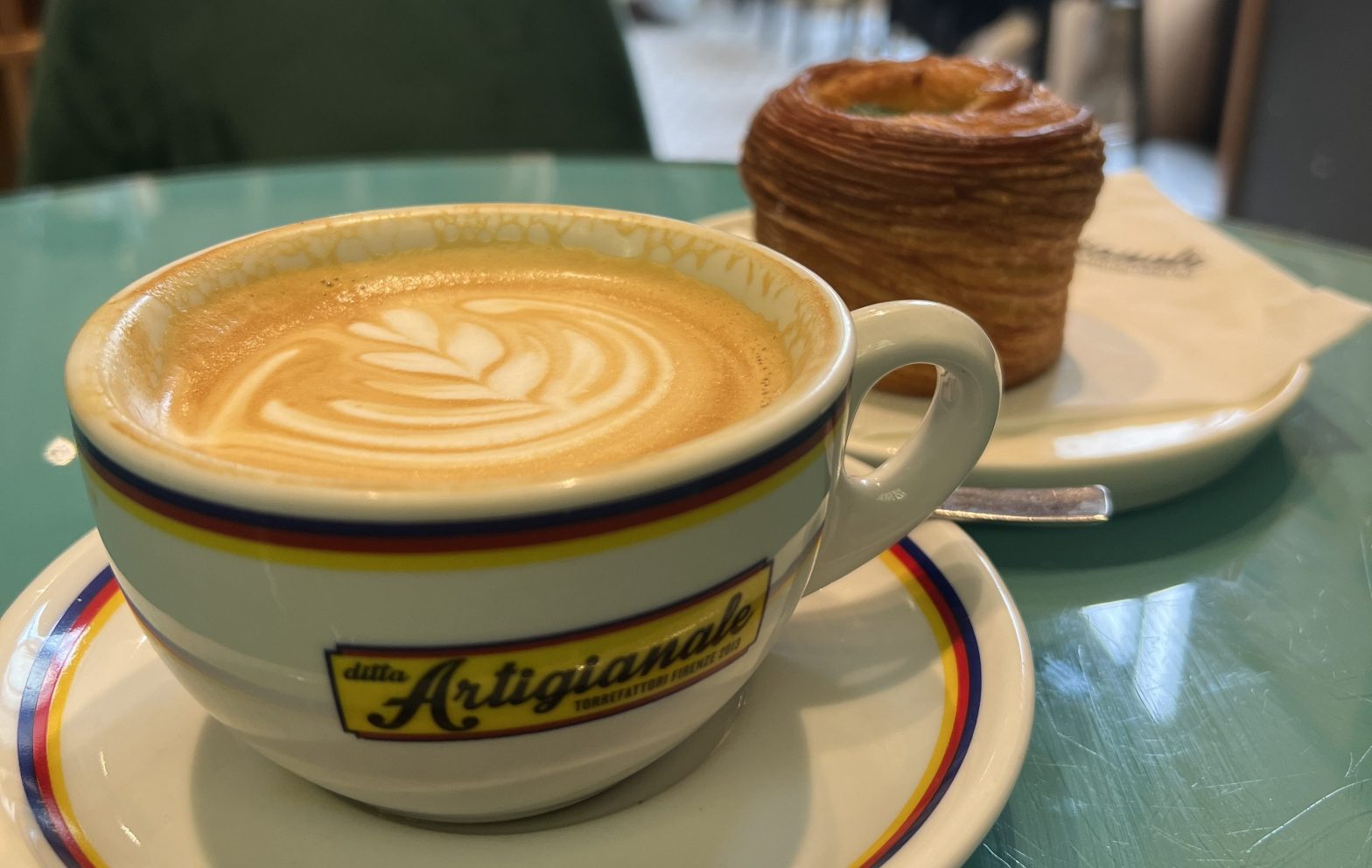
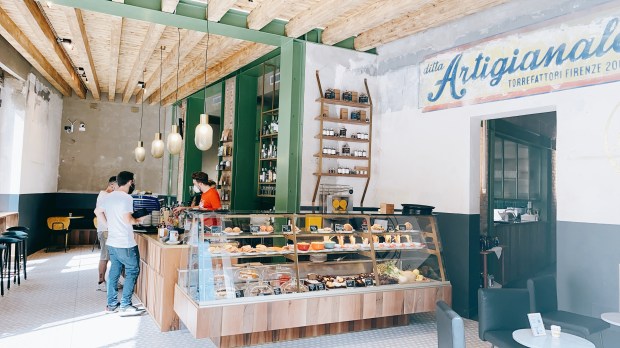
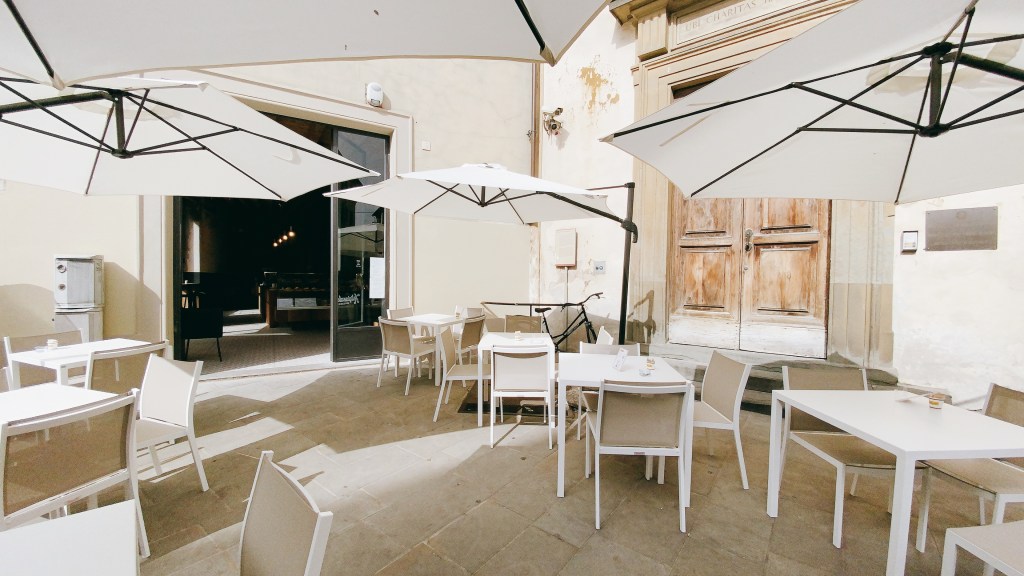
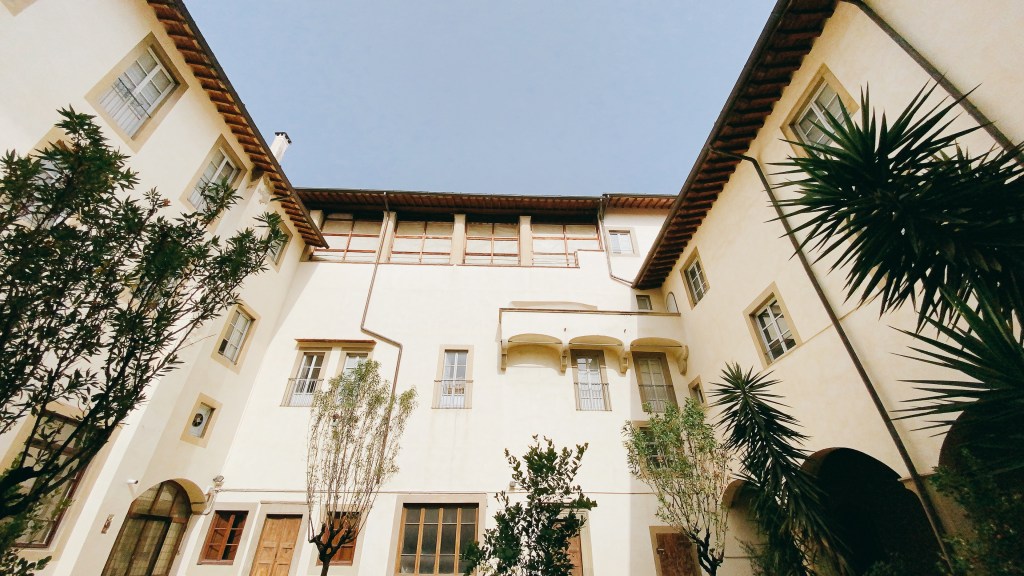
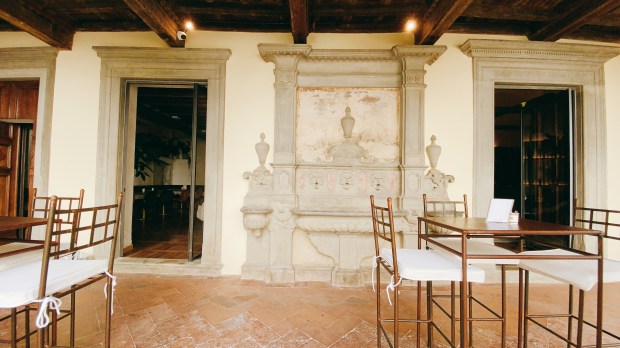
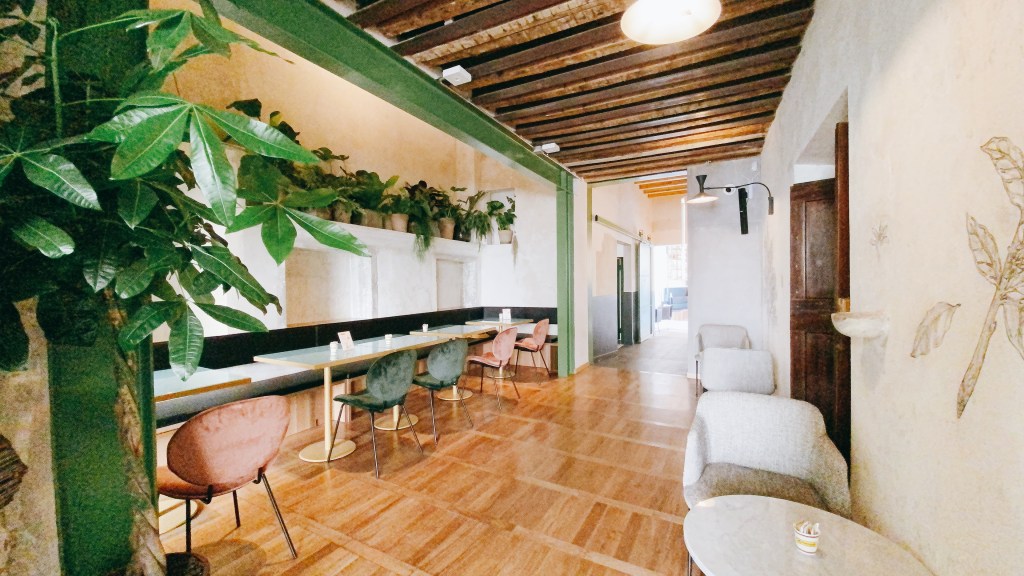
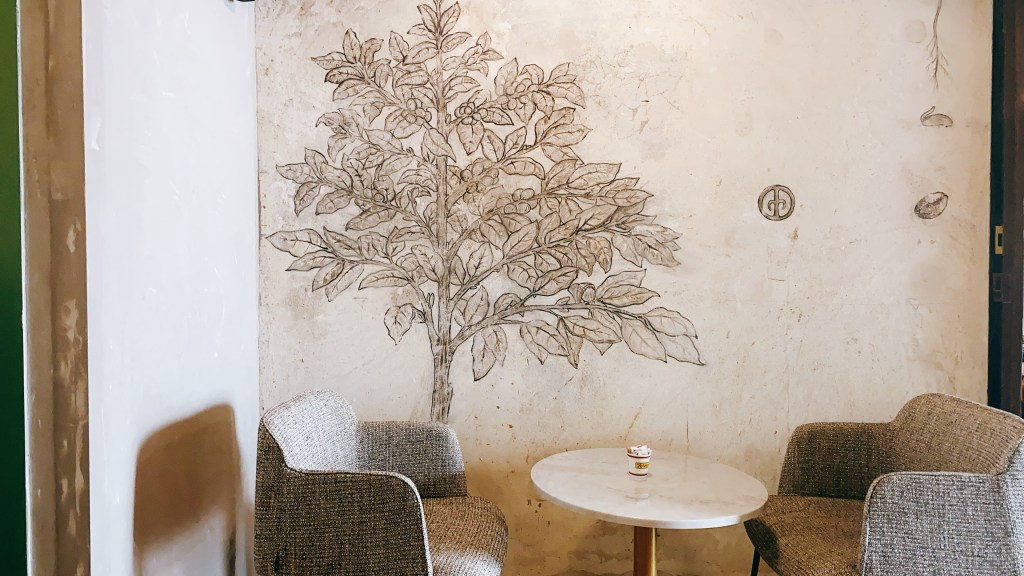
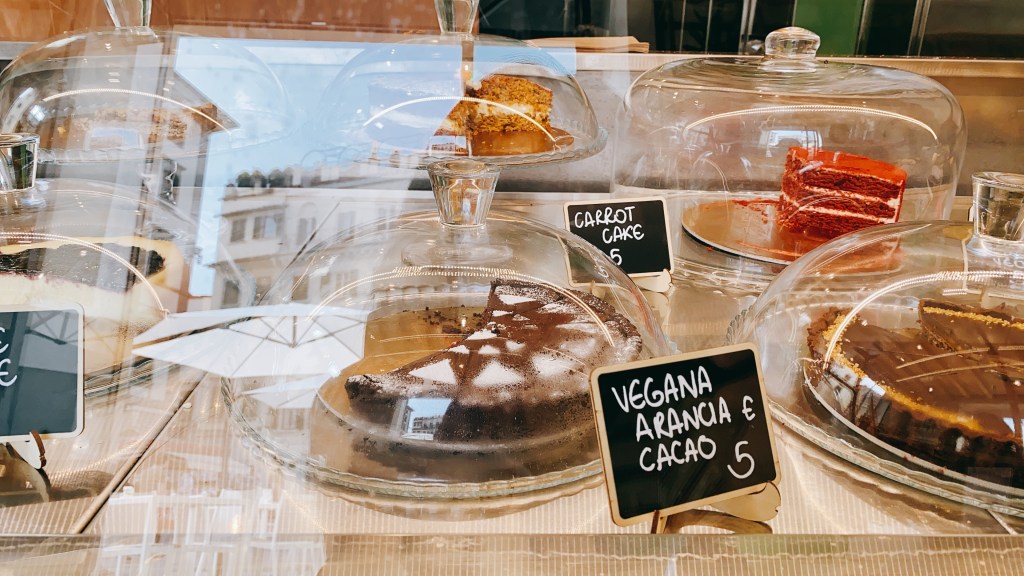
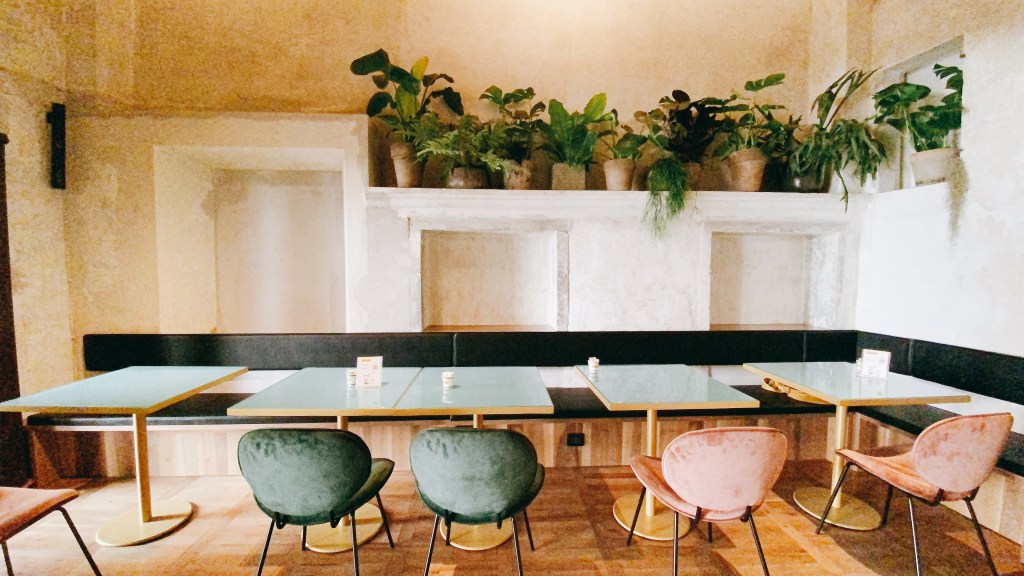
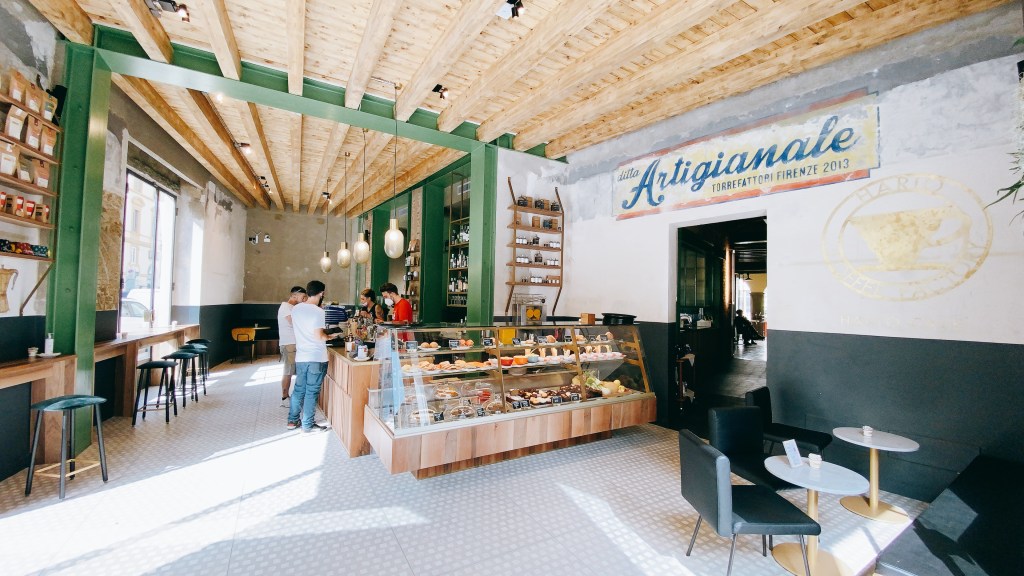
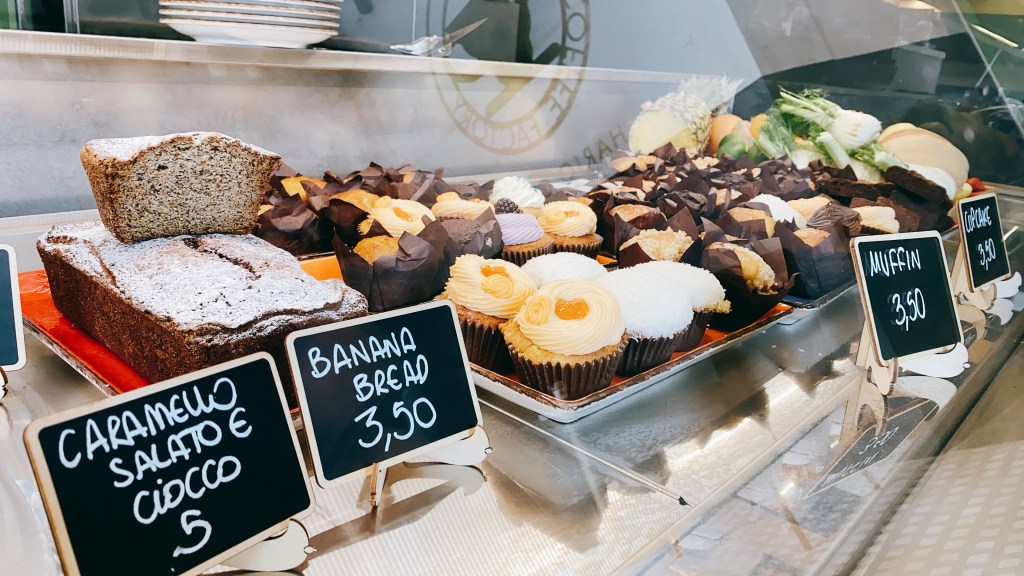
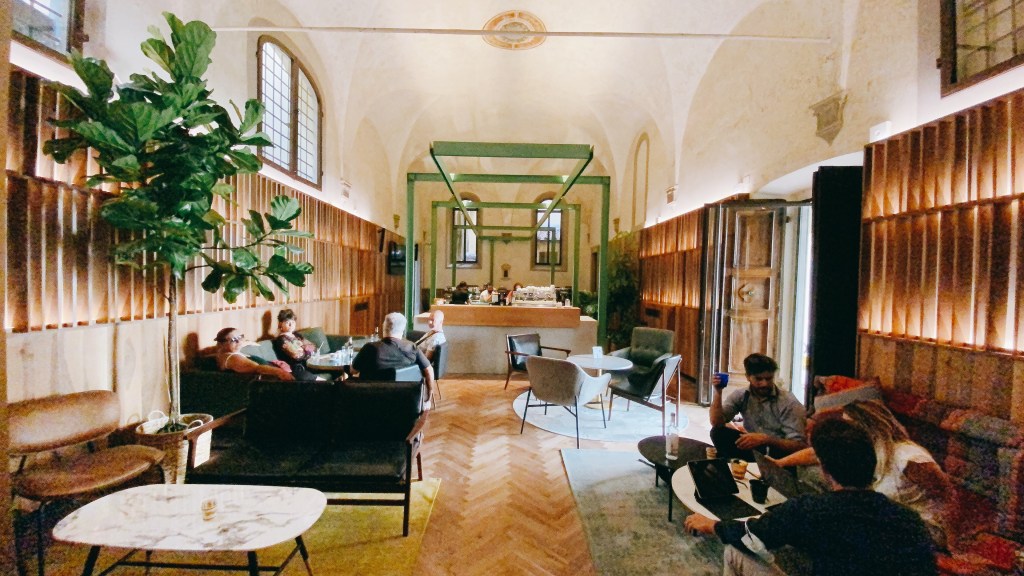
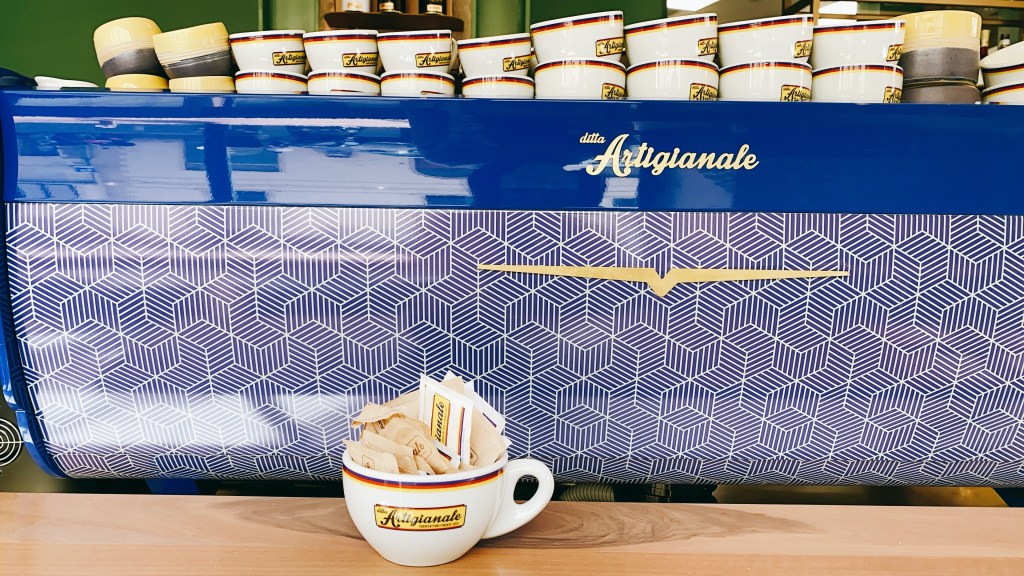
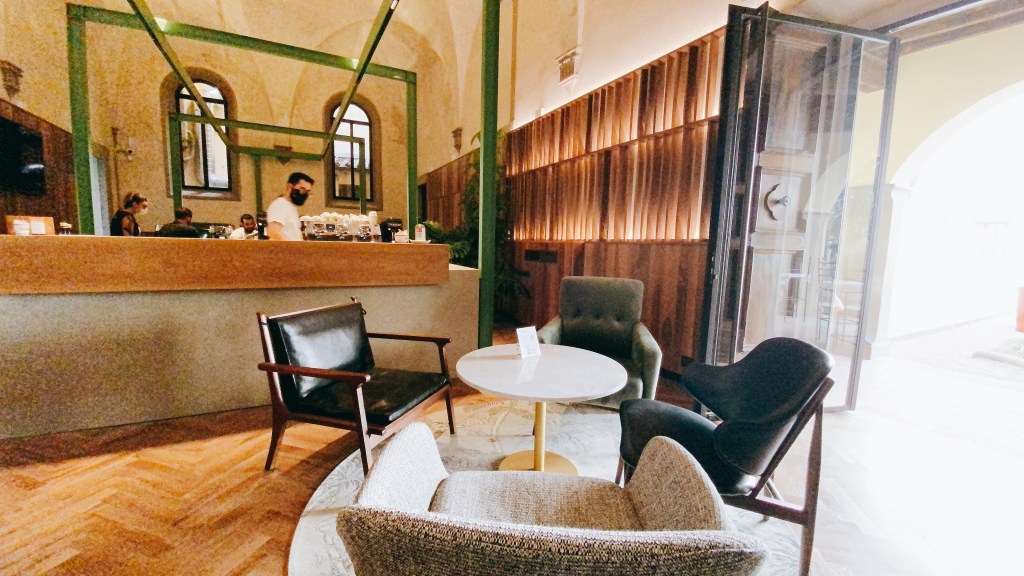
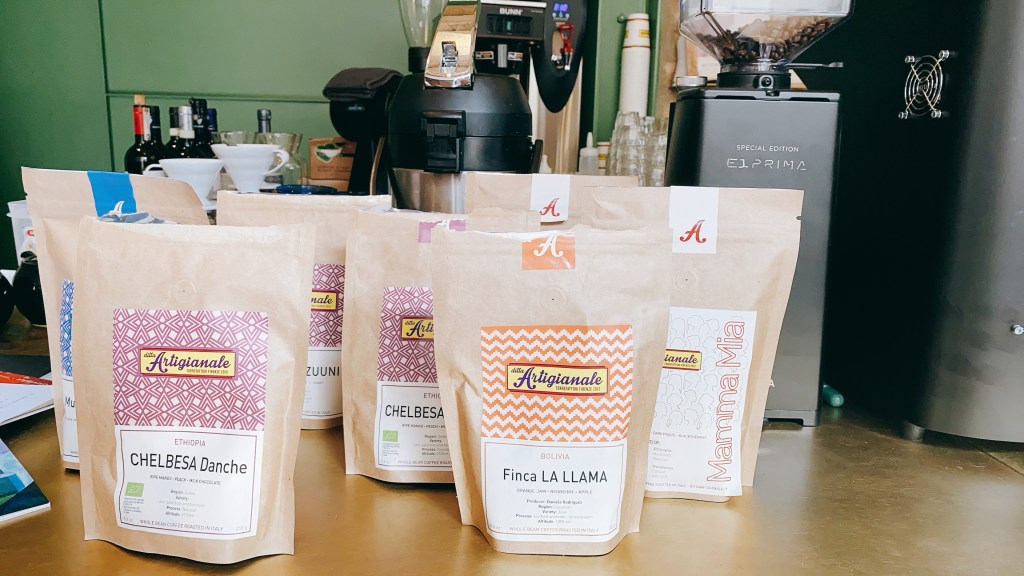
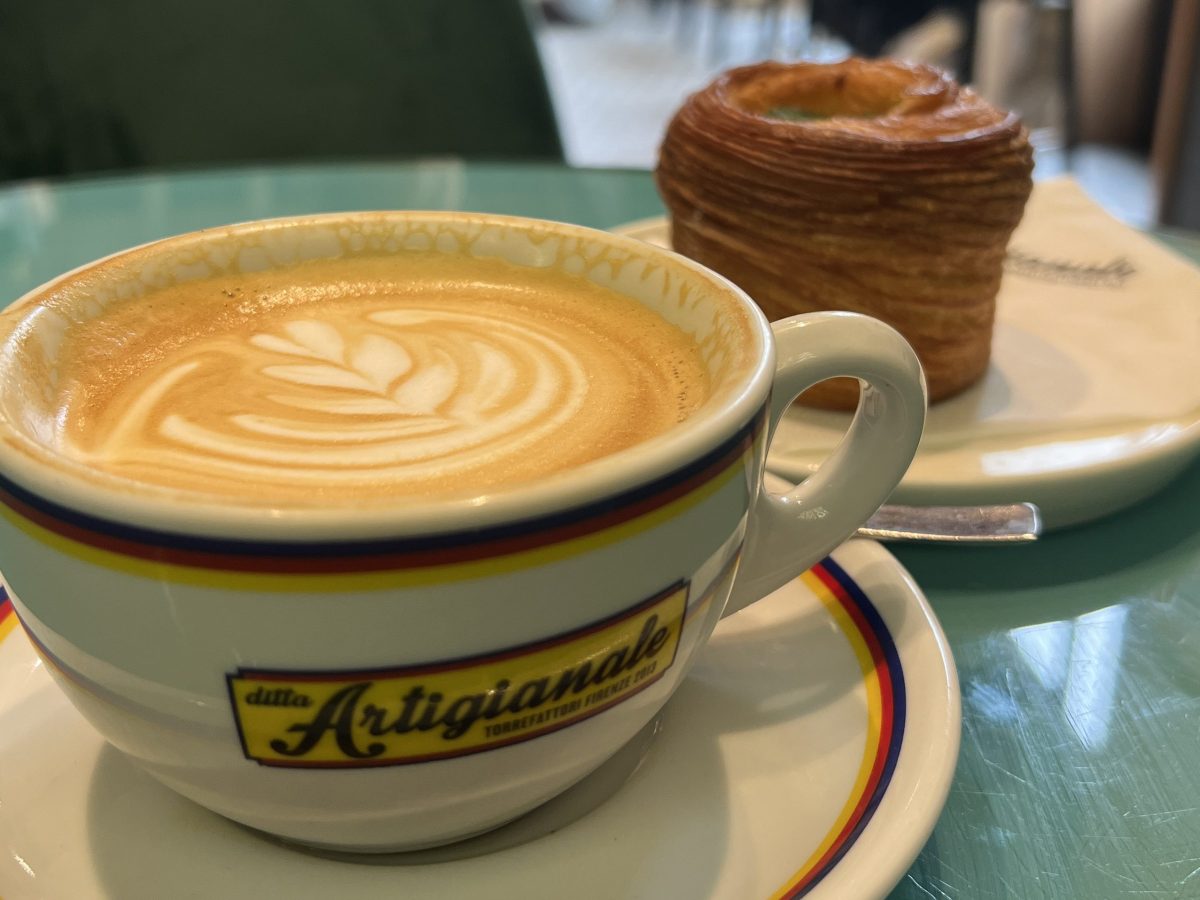
答案藏在聖安博羅削廣場(Piazza Sant’Ambrogio)旁的一座古老修道院裡>>> Ditta Artigianale|Sant’Ambrogio 是品牌在佛羅倫斯的第三間門市,也是最具實驗性的一家分店,這裡白天除了有咖啡、甜點與輕食,晚間也提供多樣開胃酒品選擇,更主打專業的 Scuola del Caffè 咖啡學校。
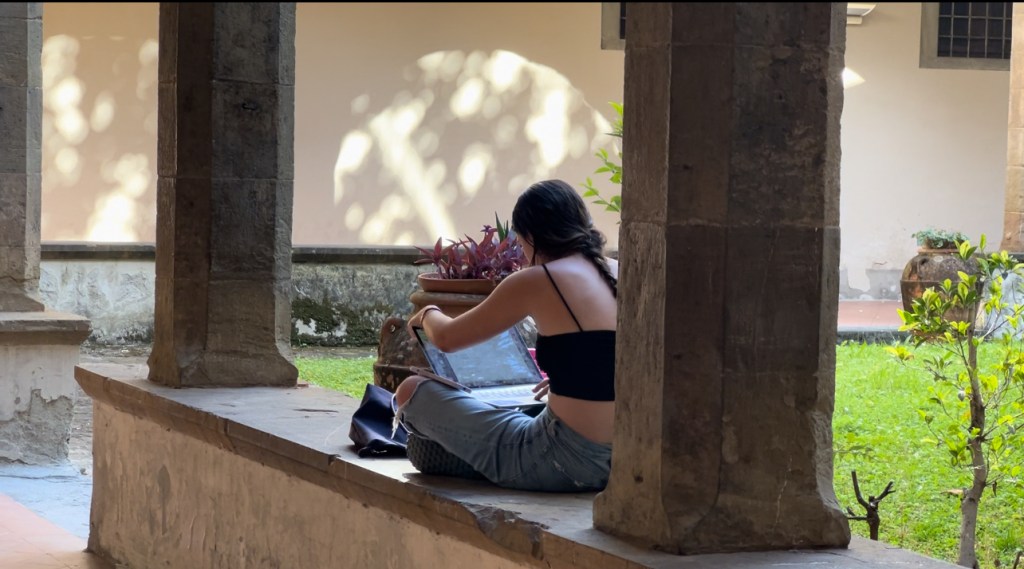
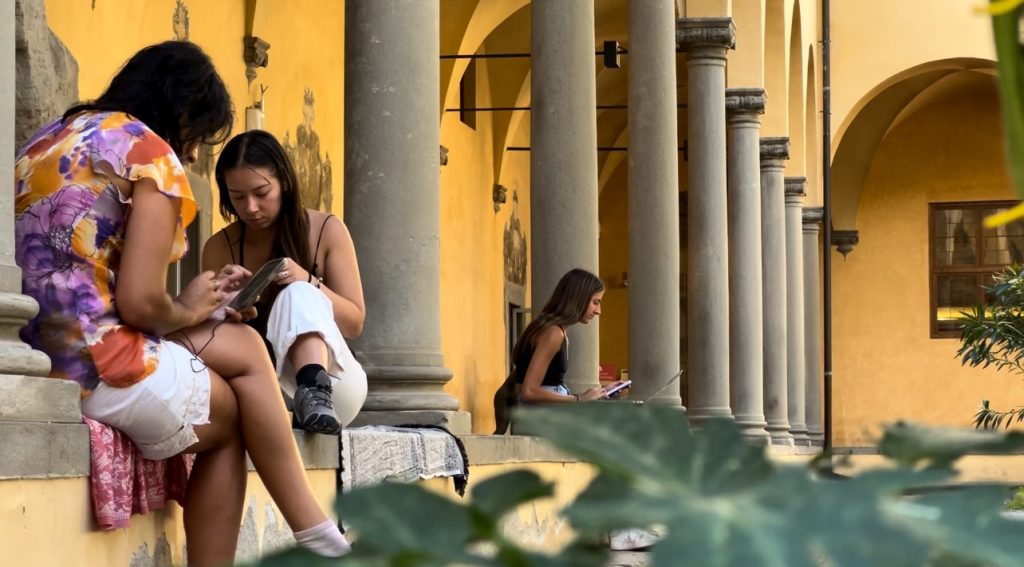
對於 Ditta Artigianale 陌生的朋友們來說,這個佛羅倫斯咖啡品牌可說是將精緻度帶入義式咖啡的領頭羊,他們創立於2013年佛羅倫斯,將品牌的定位為「Italian Modern Espresso」,主打義式傳統與精品咖啡豆的結合。不論你是精品咖啡愛好者、想學拉花的旅人,還是只是想在聖十字聖殿與聖安博羅削市場之間找個安靜co-working 的地方,這裡都值得排進「佛村必去」的咖啡地圖。
Ditta Artigianale|Sant’Ambrogio 基本資訊
地址:Via Giosuè Carducci, 2/4r, 50122 Firenze FI, Italia(切確位置:Piazza Sant’Ambrogio 廣場旁、聖安博羅削教堂側邊)
這間店最迷人的地方,從你拉開玻璃門踏進店內前就開始了。他們位於佛羅倫斯聖安博羅削教堂(Chiesa di Sant’Ambrogio)旁的舊修道院建築群內,這座建築聚落被稱為「聖安博羅削虔誠修道院 Pia Casa di Rifugio di Sant’Ambrogio」(亦可翻譯為避難所),與教堂的歷史緊密相連,最早可追溯至西元五至六世紀。到了十八世紀末,修道院因托斯卡尼大公國的 Leopoldine 改革而逐漸沒落,之後轉型為教育年輕女性的宗教機構。後來空間處於長期閒置,直到佛羅倫斯市政府推動修復計畫,才讓它重新回到城市生活之中。
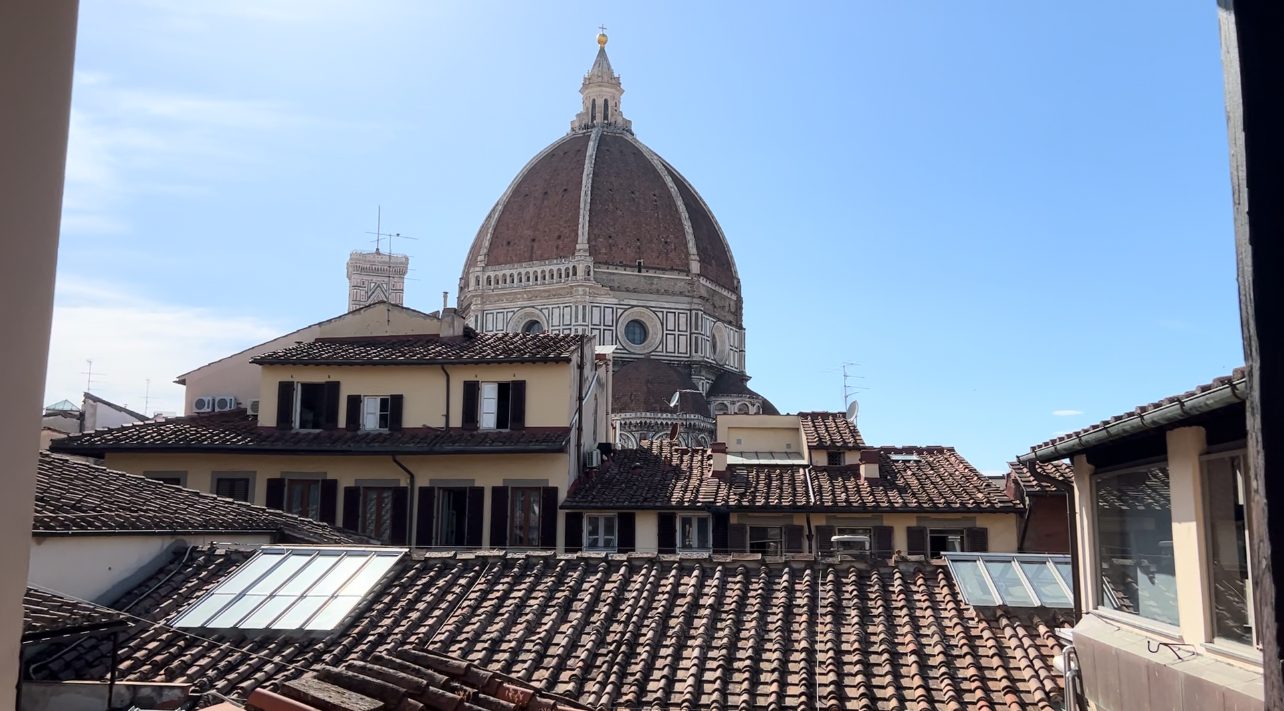
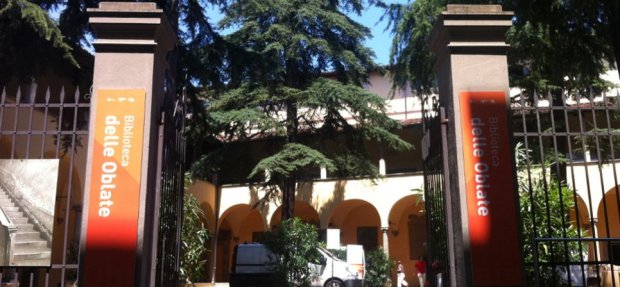
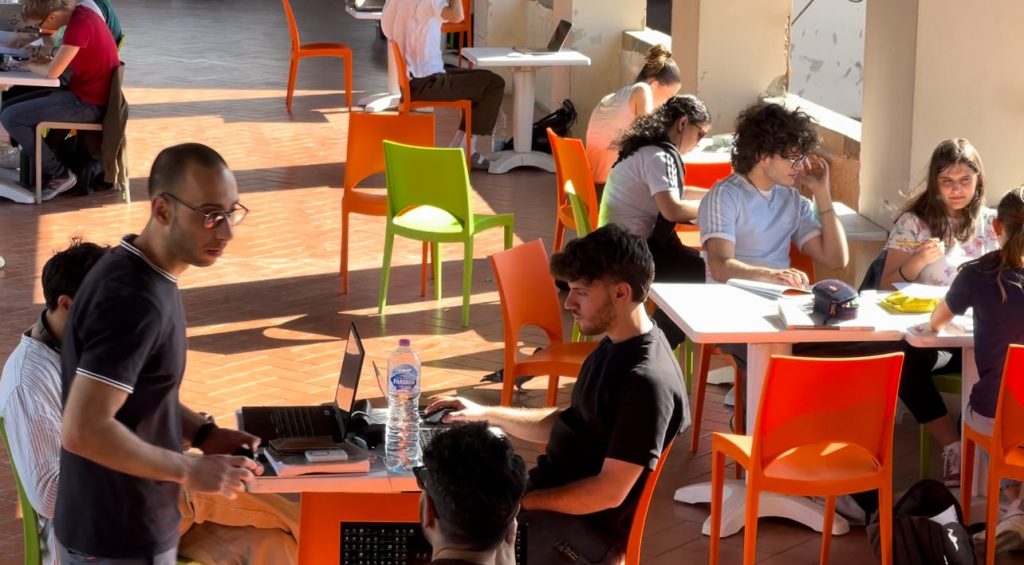
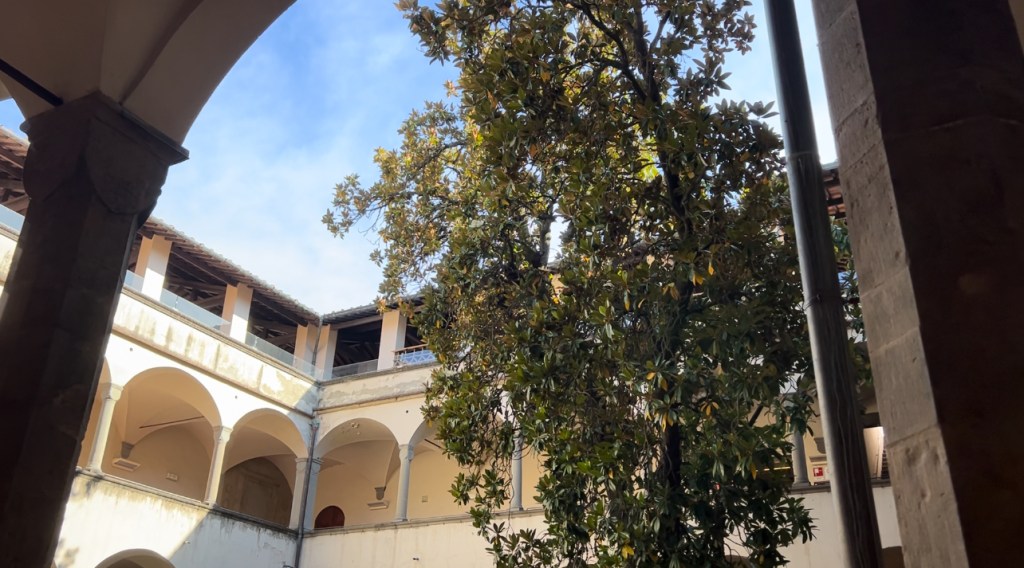
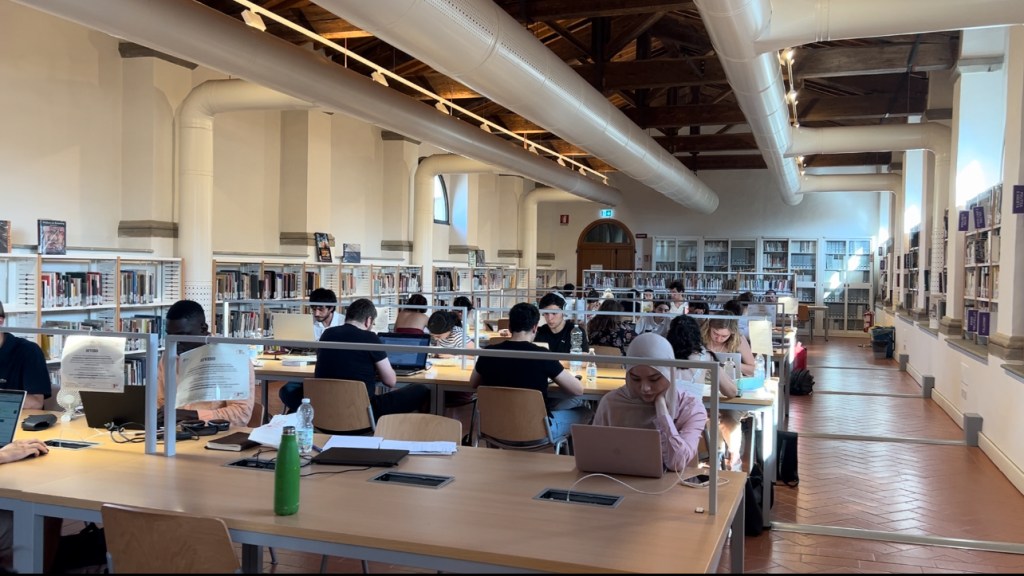
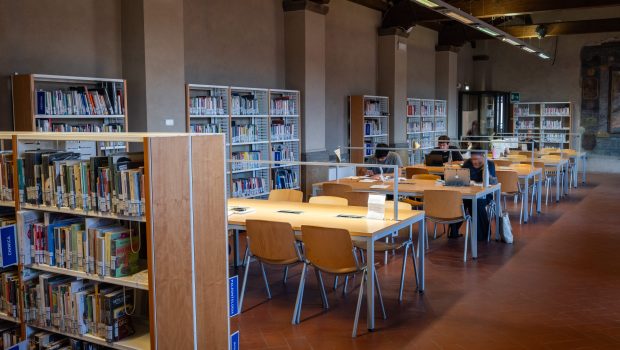
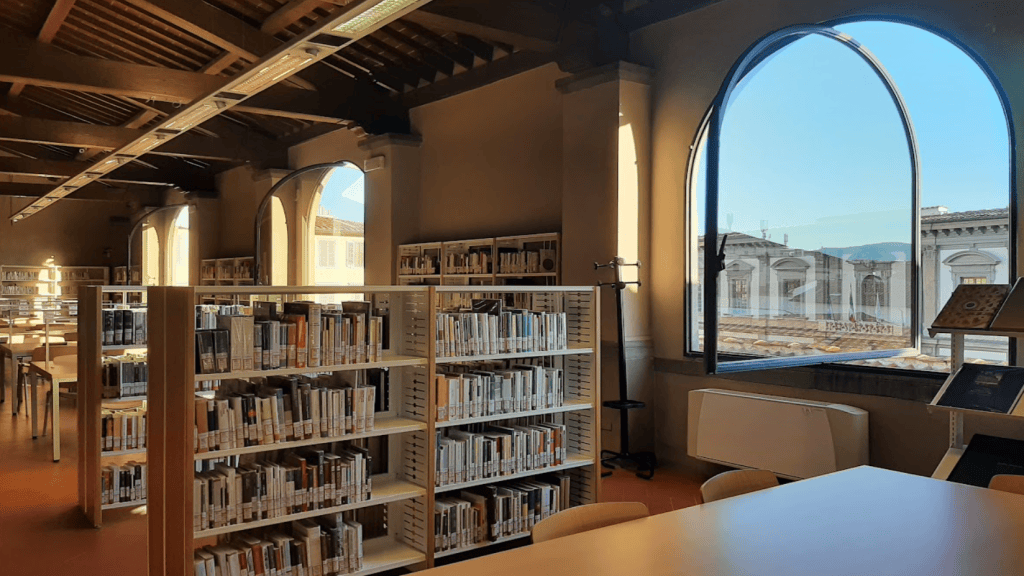
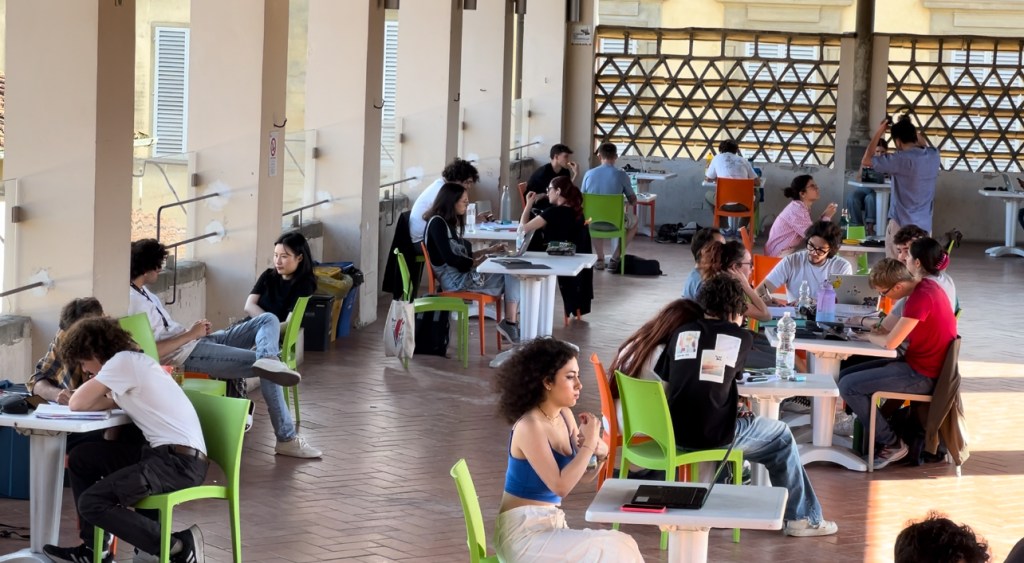
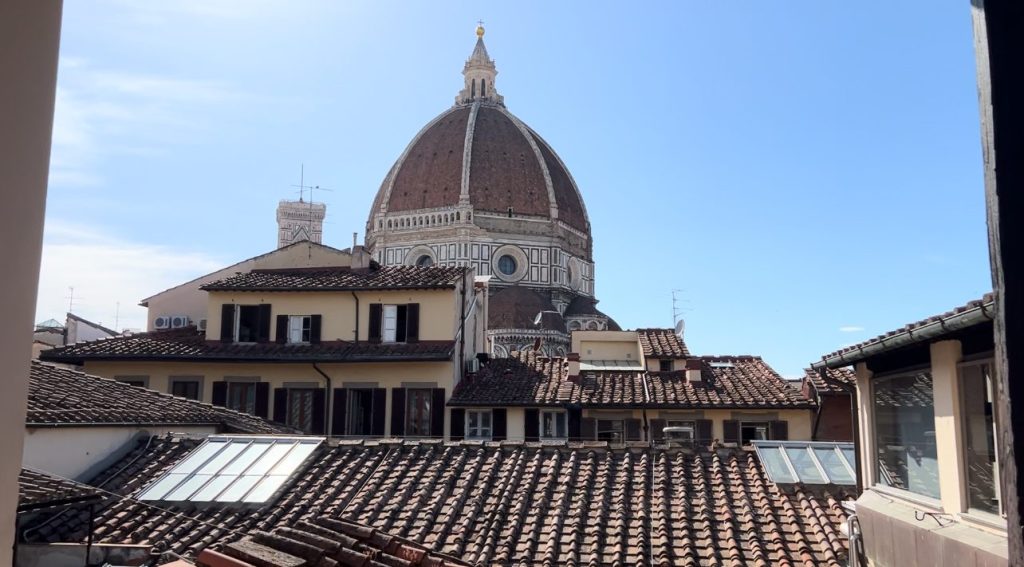
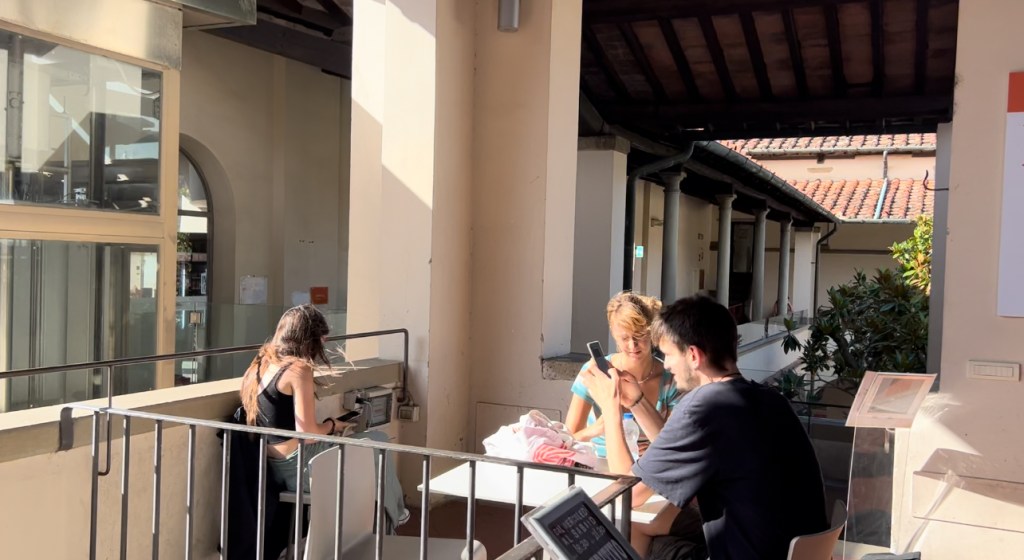
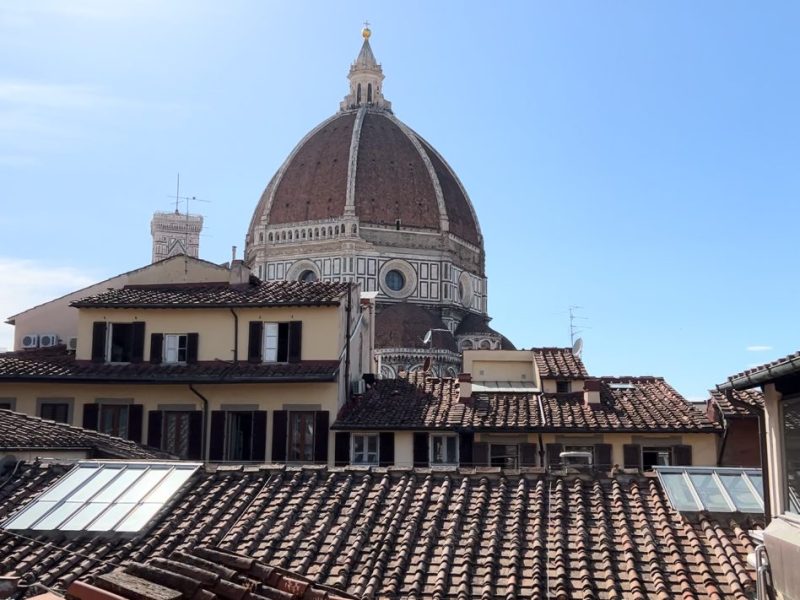
坐落在聖母百花大教堂 Cattedrale di Santa Maria del Fiore 後方幾步路的一座十四世紀舊修道院:Biblioteca delle Oblate(奧布拉特圖書館)。這裡有豐富的館藏書籍、多處的免費閱覽空間、頂樓咖啡廳,以及能直視布魯內雷斯基穹頂的露台,是當地居民學生、留學生、遠距工作者與旅人都能安心停留的「佛村」寶藏據點。
Biblioteca delle Oblate 基本資訊
地址:Via dell’Oriuolo, 24, 50122 Firenze FI, Italia (大門口是鐵門+花園)
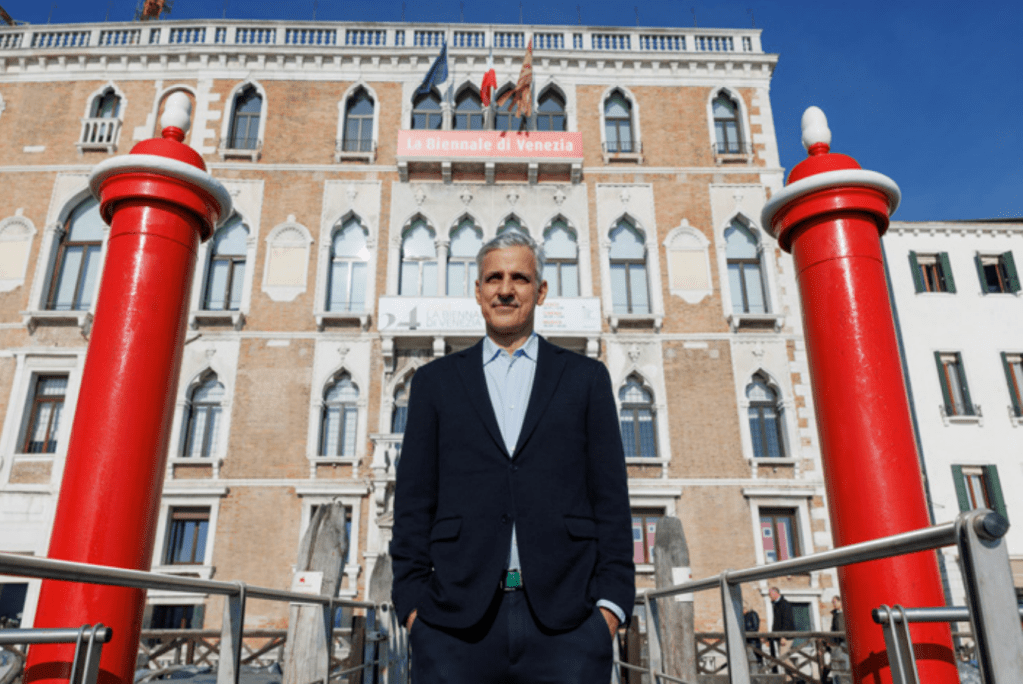
第 61 屆威尼斯藝術雙年展還剩下四個月的展期,強烈推薦藝文愛好者們不要錯過2026年的藝術雙年展,尤其是「台灣館」~ 這邊主編就告訴你必看原因是什麼! With four months still left in the 61st Venice Art Biennale, I would strongly recommend that art and culture lovers not miss to the 2026 Biennale and the Taiwan Pavilion, especially the Taiwan Pavilion, which offers many compelling reasons to visit.
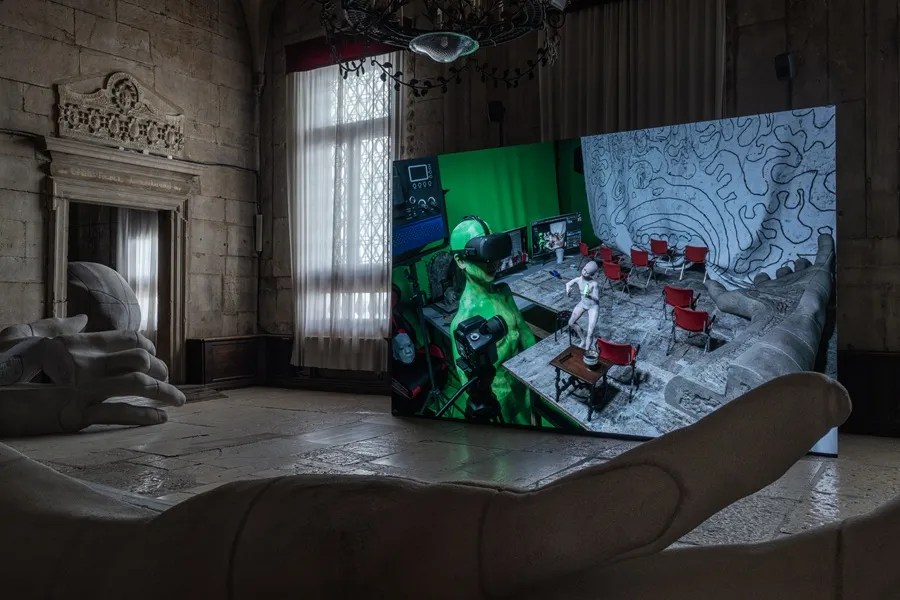
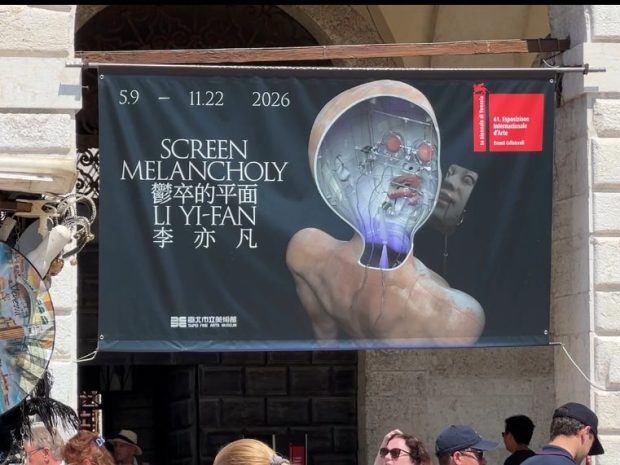
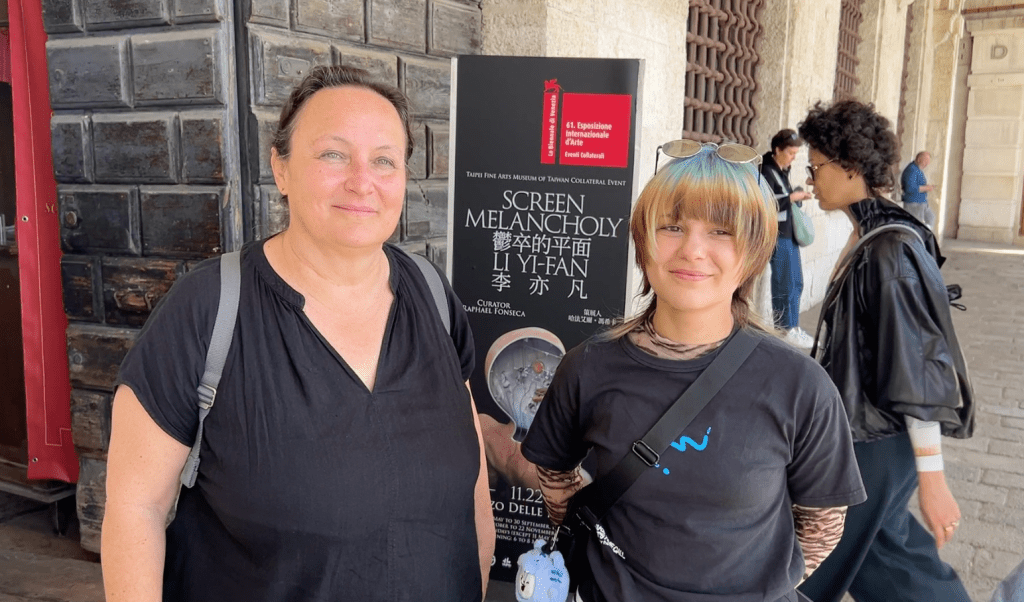
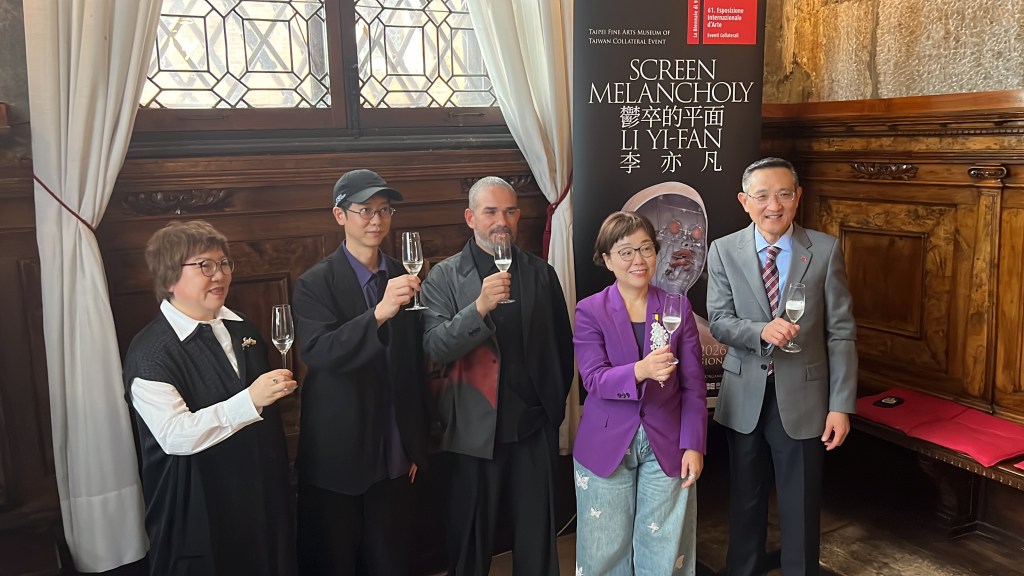
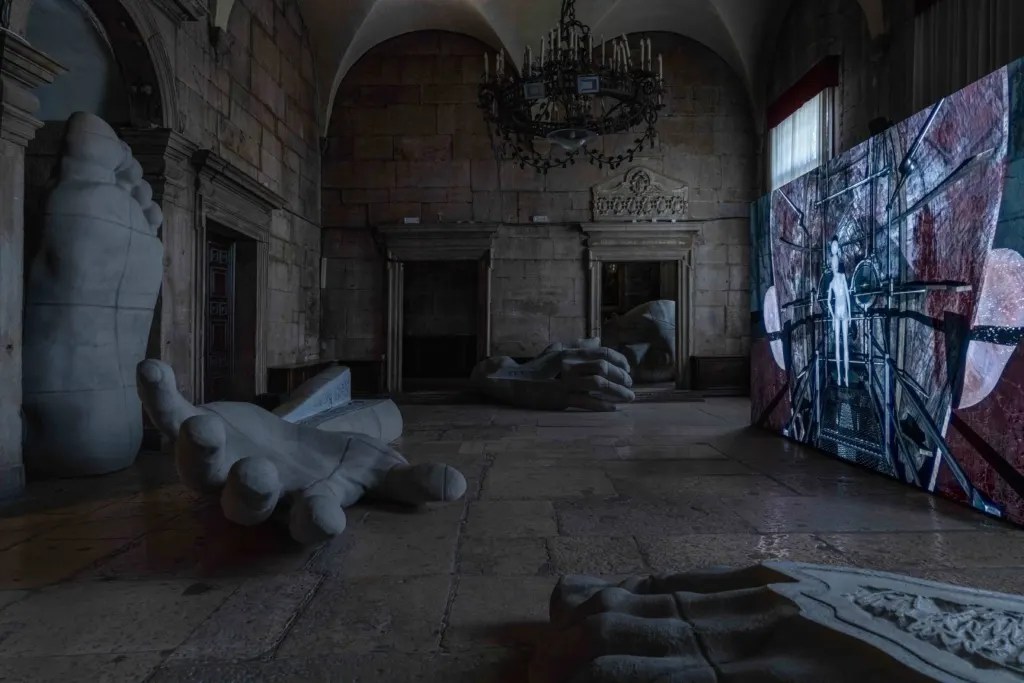
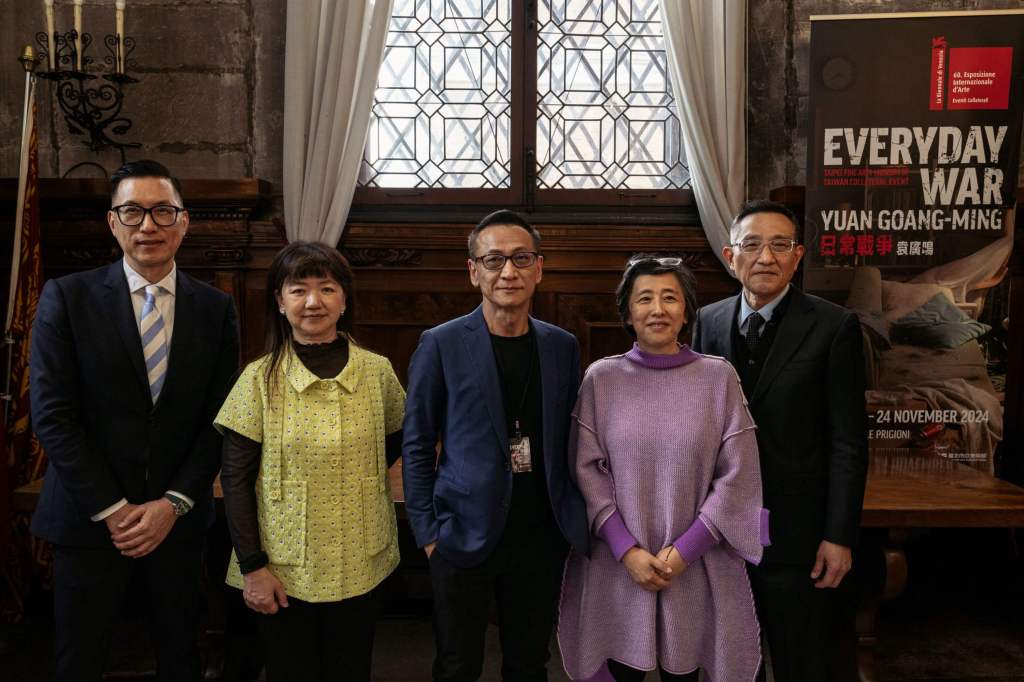
今年台灣館,依舊是由臺北市立美術館(TFAM)策劃,近10年皆以單一藝術家個展形式展出,本次則由年輕藝術家李亦凡代表,展覽名稱為「鬱卒的平面 Screen Melancholy:李亦凡」。對於台灣館場地不陌生的大家,再一次跟各位介紹這一棟坐落於嘆息橋旁,在17世紀曾作為威尼斯共和國監獄的普里奇歐尼宮邸(Palazzo delle Prigioni)又稱之為「普宮」中,探究現代人螢幕焦慮的起承轉合。 This year’s Taiwan Pavilion is once again curated by the Taipei Fine Arts Museum (TFAM). Over the past decade, it has consistently taken the form of a solo exhibition by a single artist. This edition features the young artist Li Yi-Fan, under the titleScreen Melancholy: Li Yi-Fan. For those already familiar with the Taiwan Pavilion’s venue, let us once again introduce Palazzo delle Prigioni, the building beside the Bridge of Sighs that once served as a prison of the Venetian Republic in the 17th century. Within this historically charged space, the exhibition traces the unfolding of modern screen anxiety from beginning to end.
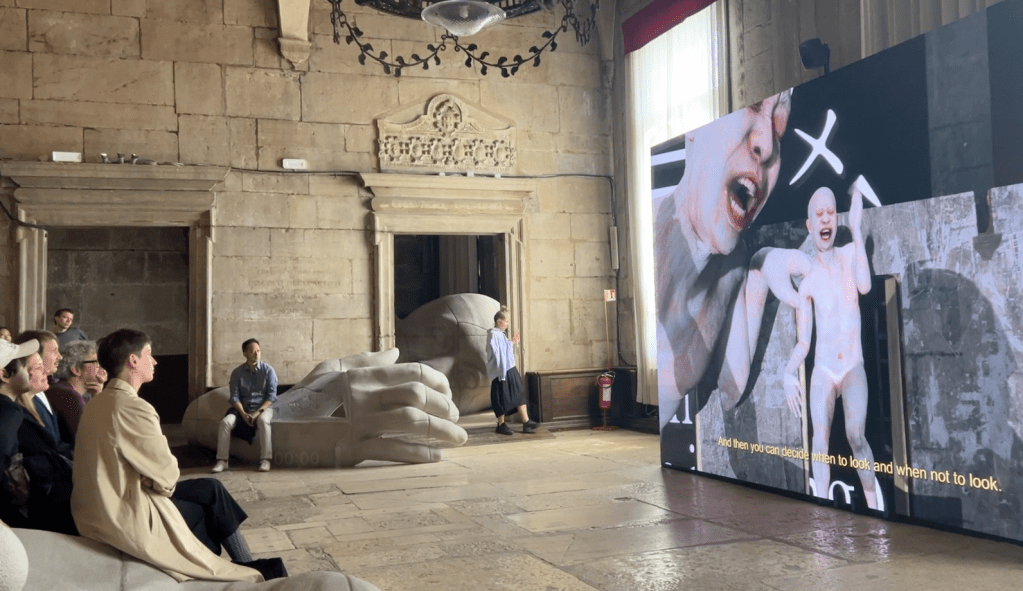
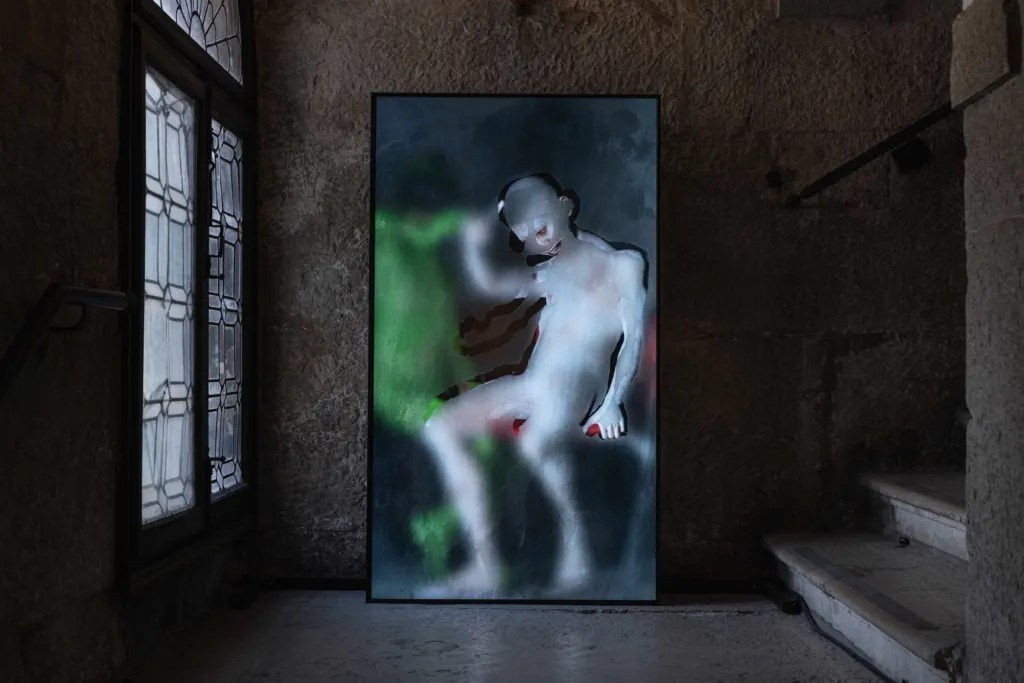
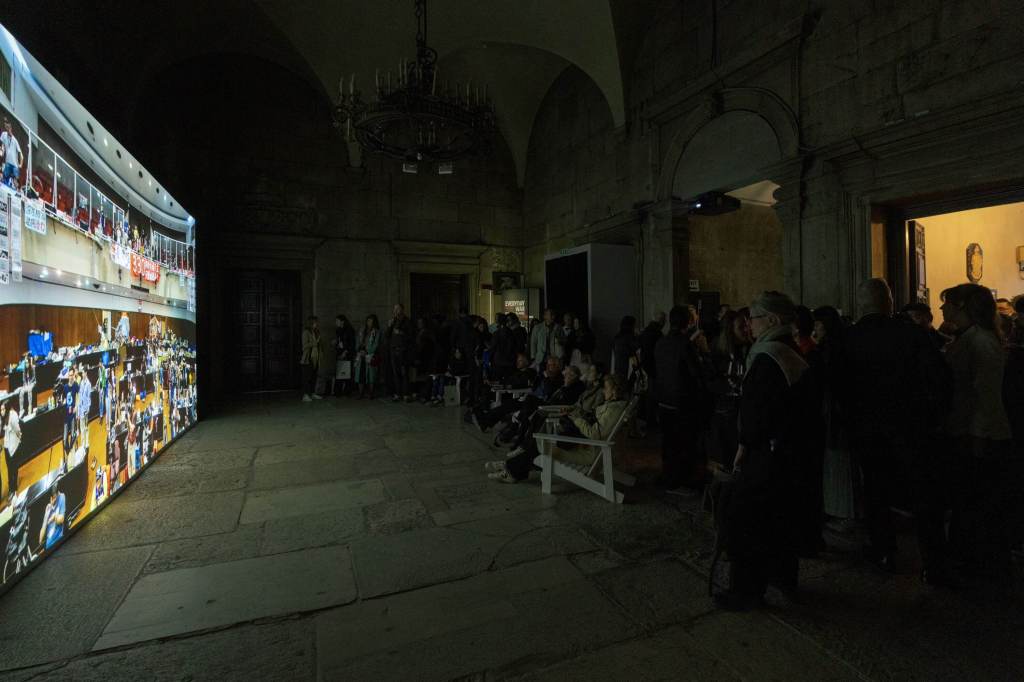
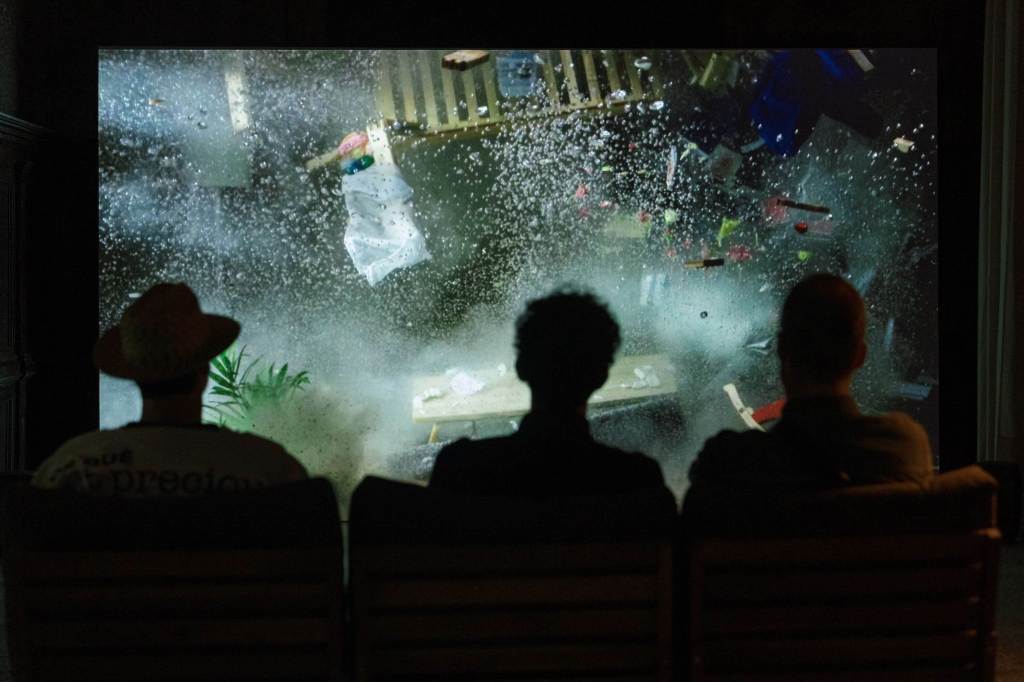
2026威尼斯雙年展台灣館「鬱卒的平面:李亦凡」展覽現場。 圖像由臺北市立美術館提供。
巴西策展人哈法艾爾・馮薩卡(Raphael Fonseca)與李亦凡,同樣是在網路時代中成長的 X 世代創作者,因此對於「影像如何中介人類對世界的感知」有著高度一致的關注。座談中,他以「百科全書」形容李亦凡的影像創作,指出科技的持續演進,某種程度上迫使現代人不斷適應與進化,而在這個過程中,焦慮與挫敗也隨之滲入日常,進一步揭示「鬱卒/憂鬱」這類感官經驗,如何與數位世界表面上的極度冷靜彼此牽連。也因此,這場展覽不只是一次媒體藝術的技術展示,更像是一場帶有方法論自覺的深層提問。 Brazilian curator Raphael Fonseca and Li Yi-Fan are both Generation X who grew up alongside the internet era, and they share a strong concern with the question of how images mediate human perception of the world. In the conversation, Fonseca described Li’s video work as an “encyclopedia,” pointing out that the relentless advance of technology has, in a sense, compelled modern people to keep adapting and evolving. In that process, anxiety and frustration inevitably seep into everyday life, further revealing how sensory experiences such as “melancholy” are intertwined with the extreme coolness and detachment of the digital world. For this reason, the exhibition is not merely a technical showcase of media art, but rather a deeply self-aware inquiry into method and perception.
一顆眼球回家的故事,與那 60 分鐘的獨白 The Story of an Eye Returning Home, and the 60-Minute Monologue
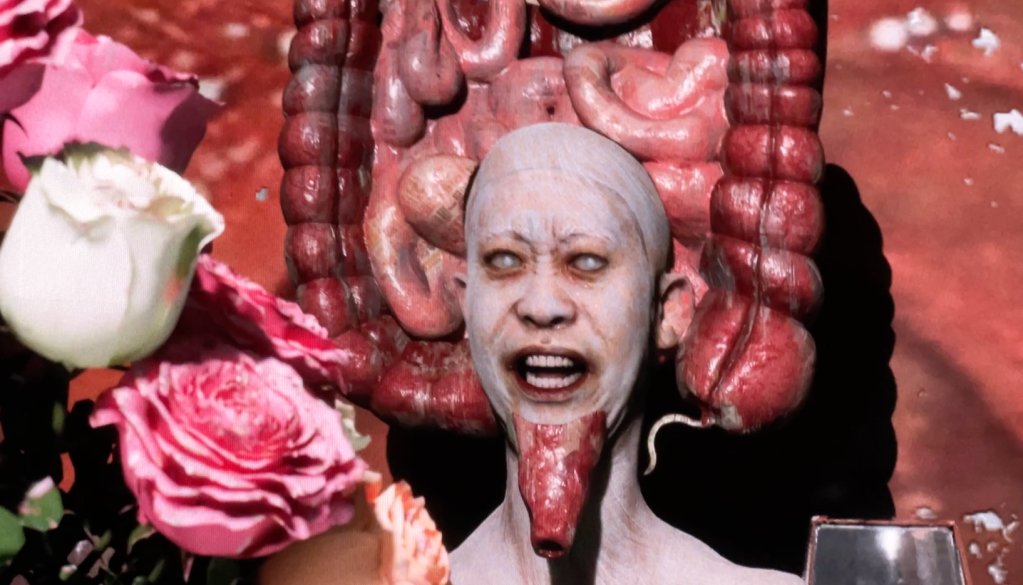
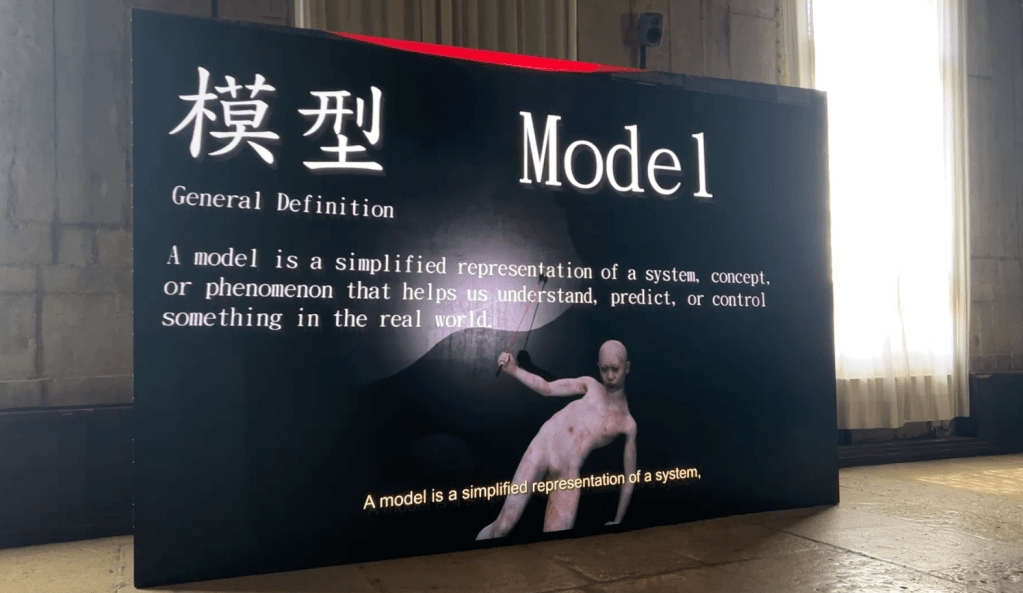
展覽的核心作品,是李亦凡創作生涯中最長的一件影像作品,一支長達 60 分鐘的 LED 影像裝置。 The centerpiece of the exhibition is the longest moving-image work in Li Yi-Fan’s career: a 60-minute LED installation.
不同於他過往的創作,這次他將這座 17 世紀曾為監獄的展場空間——普里奇歐尼宮邸——直接移植進影像之中,以「一顆眼球回家」作為整個故事的敘事脈絡,用帶有即興獨白的單口喜劇語氣,探討電腦動畫的製成方式、AI 生成影像與人工製作之間的對比,以及「高」「低」文化之間那條從來都不清晰的界線。 Unlike his earlier works, this time he has directly transplanted the exhibition space — Palazzo delle Prigioni, a 17th-century former prison into the image. Using “an eye returning home” as the narrative thread, Li adopts a stand-up-comedy-like monologue, delivered with an improvised spoken rhythm, to explore how computer animation is made, the contrast between AI-generated imagery and handmade production, and the ever-blurred boundary between so-called multiple cultures.
「在這個影像生產很快的年代,大家很習慣五秒短影音,或是 AI 生成十秒影片。我很喜歡的一種觀影狀態是,觀眾是自由的,可以決定自己在展場裡要待多久。」—— 李亦凡 “In this era when images are produced so quickly, people are used to five-second short videos, or AI-generated clips that last ten seconds at most. What I really like is a viewing situation in which the audience is free, and can decide how long they want to stay in the exhibition space.” — Li Yi-Fan
或許有些人初見他的作品會感到有些直白,甚至覺得語言與文化背景會成為外國觀眾的理解門檻。但「李亦凡 Li Yi-Fan」這個名字,早在數年前就已在數位藝術圈廣為人知,許多觀眾是慕名而來,為的就是一探他那套獨樹一幟、無法輕易被歸類的創作方式。 Some audience may find his work somewhat direct at first glance, and may even worry that language and cultural context could become a barrier for foreign audiences. Yet the name Li Yi-Fan has long been well known in the digital art world, and many visitors come specifically to see for themselves his distinctive and hard-to-categorize artistic practice.
隨著影片的場景不斷轉換,觀眾會逐漸意識到一件有趣的事:這個歷史空間,已悄悄化為一座動態舞台。布達佩斯路德維希現代美術館(Ludwig Museum)策展人 Krisztina Szipöcz 在受訪時提到:「這項 LED 燈牆技術真的很棒!它讓作品不必非得在黑暗空間裡呈現,反而可以放在明亮環境中,使我們終於有機會看見『空間本身』:窗戶、宮殿建築。」如此一來,虛實之間的界線在觀眾眼前持續模糊、重疊,而那個「監獄」的歷史記憶,也在不知不覺間滲入了整件作品的底色。 As the film shifts from one scene to another, viewers gradually begin to notice something interesting: the historic space has quietly turned into a kind of moving stage. In our interview, Krisztina Szipőcz, curator at the Ludwig Museum in Budapest, remarked that the LED wall technology is truly remarkable, because it allows the work to be shown without being confined to a darkened room. Instead, it can be presented in a bright environment, giving viewers the chance to actually see the space itself — the windows, the palace architecture, and its surrounding structure. In this way, the boundary between reality and fiction continues to blur and overlap before the audience’s eyes, while the historical memory of the “prison” gradually seeps into the work’s overall atmosphere.
台灣館幕後高難度工程:從台灣分割製作,到威尼斯限時組裝 Taiwan Pavilion Backstage: A High-Difficulty Production
在沈浸感官的展覽背後,這是一段鮮少被提及的幕後考驗。 Behind this immersive exhibition lies a backstage challenge that is rarely mentioned.
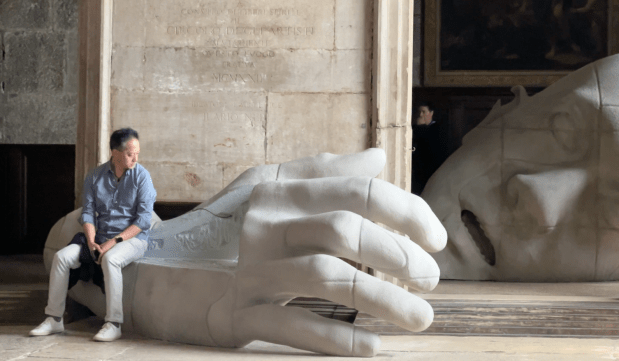
展廳中散落著以 3D 列印製作的大型人體局部雕塑:手、腳、頭,它們既是裝置的一部分,同時也可作為觀眾的座椅,讓肢體在現場與影像的凝視形成一種隱隱的對位關係。然而,從雕塑胚體的物流運送開始,到威尼斯潮濕的海島環境可能造成的物件變形,再加上展場施工條件的種種限制,布展團隊在有限的條件下見招拆招,在連續 8 天的高強度作業下,才將這座巨型「沈浸感官」場域順利組裝於普里奇歐尼宮邸之中。 Scattered throughout the gallery are large 3D-printed sculptural fragments of the human body : hands, feet, and heads. They function both as part of the installation and as seats for visitors, creating a subtle counterpoint between the body in the space and the gaze of the moving image. Yet from the very beginning, starting from shipping the sculptural components, to the risk of deformation caused by Venice’s humid island climate, to the many restrictions imposed by the exhibition venue itself, the installation team had to improvise at every step. Only after eight consecutive days of intensive work was this giant immersive environment finally assembled inside Palazzo delle Prigioni.
這件作品,是台北市立美術館自 1995 年起於普里奇歐尼宮邸策展以來,首次在同一空間內完整融合影像、雕塑與聲音三種媒介的沉浸式嘗試,也是李亦凡以遊戲引擎為影像生產方法的第三件新創作,更是他職業生涯中至今最具規模的現地特製計畫。 This work also marks several important firsts: since Taipei Fine Arts Museum began curating exhibitions at Palazzo delle Prigioni in 1995, it is the first time that moving image, sculpture, and sound have been fully integrated within the same space in an immersive format. It is also Li Yi-Fan’s third new work created through game-engine-based image production, and the most ambitious site-specific project of his career so far.
關於台灣館的題外話 A Brief Side Note on the Taiwan Pavilion
臺灣館,自 1995 年至今已參加雙年展多年,然而在這個政治現實的縮影場域中,始終不敵中國的強權壓力,最終於 2003 年被剔除正式國家館名單,爾後只得以「平行展」(Collateral Events)名義申請進入威尼斯雙年展會,而今年共有 31 組人馬在威尼斯島上各區展出。 Since 1995, the Taiwan Pavilion has taken part in the Venice Biennale for many years. Yet within this highly political and deeply pragmatic international setting, Taiwan has never been able to escape pressure from China. In 2003, it was ultimately removed from the list of official national pavilions, and since then it has had to apply for participation under the category of “Collateral Events.” This year, there are 31 collateral event projects taking place across Venice Island.
每次想到這件事,認真覺得很可惜,也很不解。臺灣館,不是國家館,這件事,在每屆雙年展的熱鬧背後,值得被更多人知道。 Every time I think about this, I can’t help but feel that it is both unfortunate and difficult to understand. The fact that “the Taiwan Pavilion is not a national pavilion” has long been treated as a reality of the Venice Biennale, yet it is precisely this background that deserves to be known by more people behind the excitement of each edition.
展覽地點 Venue:義大利威尼斯普里奇歐尼宮邸 Palazzo delle Prigioni ( Castello 4209, San Marco, Venezia) 開放時間 Exhibition time : 2026 年5月9日至9月30日,每週二至週日上午11時至下午7時 Summer open hour: 09th May 2026 ~ 30th September 2026, Tue.-Sun. 11am til 7pm 2026 年10月1日至11月22日,每週二至週日上午10時至下午6時 Winter open hour: 01st October 2026 ~ 22th November 2026, Tue.-Sun. 11am til 6pm 週一休館 Close on Monday;5月11日、11月16日特別開放 Except 11th May, 16th November
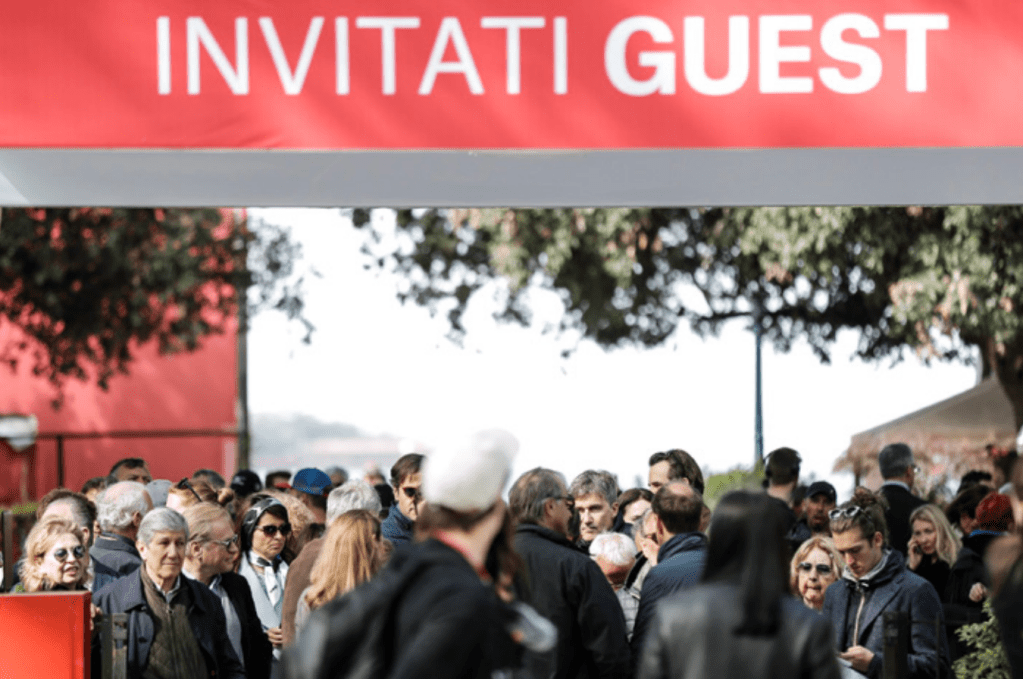
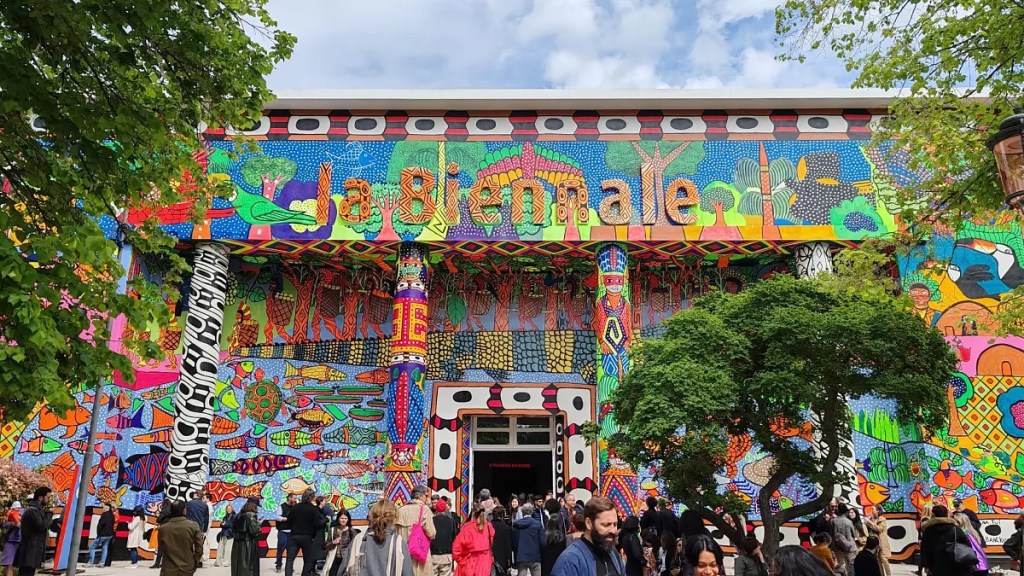
2026年是第61屆「威尼斯國際藝術雙年展 La Biennale d’arte di Venezia 」每兩年一度國際當代藝術界公認最具份量的展覽舞台,然而,它從不只是一場純粹的藝術盛宴。國際關係、政治角力、資本介入和身份認同之間的拉扯,早已是這個百年展覽無法迴避的狀態。而這一屆,從籌備階段就注定不平靜。
2026 marks the 61st edition of La Biennale d’arte di Venezia — the Venice International Art Biennale — widely regarded as the most significant stage in contemporary art, returning every two years to place the world’s creative pulse under a single roof. Yet it has never been simply about art. International relations, political tensions, the weight of capital, and the ongoing negotiation of identity have long been woven into the fabric of this century-old institution. And this edition, from the very first steps of its preparation, was never going to be quiet.
▍一場策展人離世所留下的遺願展覽An Exhibition Built on the Vision of a Curator Who Never Saw It Open
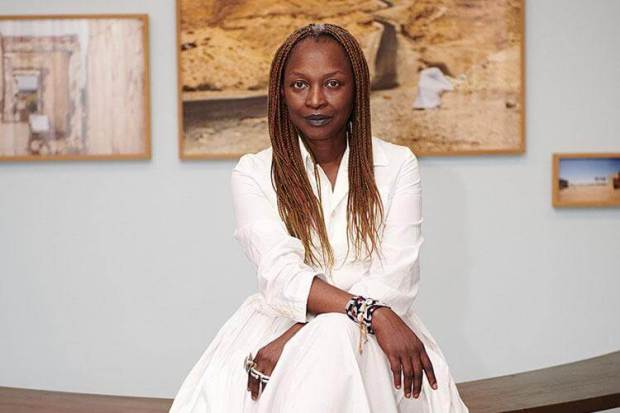
本屆總策展人為來自喀麥隆的策展人 Koyo Kouoh,她以「小調 In Minor Keys」作為本屆主題,試圖以一種更幽微、更貼近人體感官與個體記憶的視角,重新叩問當代藝術在這個動盪世界中的存在意義。然而,Kouoh 於 2025 年 5 月因癌症驟逝,在她還來不及親眼目睹展覽開幕的情況下,這場展覽由她親自召集的五人策展顧問團隊接手完成,忠實呈現她生前所擘畫的完整藍圖。
在某種意義上,「小調」這個主題,在她離開之後,更多了一層更難以言說的重量。
Koyo Kouoh, the Cameroonian curator behind this edition’s theme In Minor Keys, envisioned an exhibition attuned to the sensory, the intimate, and the personal — a quieter register against a turbulent world. She passed away from cancer in May 2025, before the exhibition opened. A team of five curatorial advisers carried her vision forward. In a way, In Minor Keys carries an entirely different weight now that she is gone.
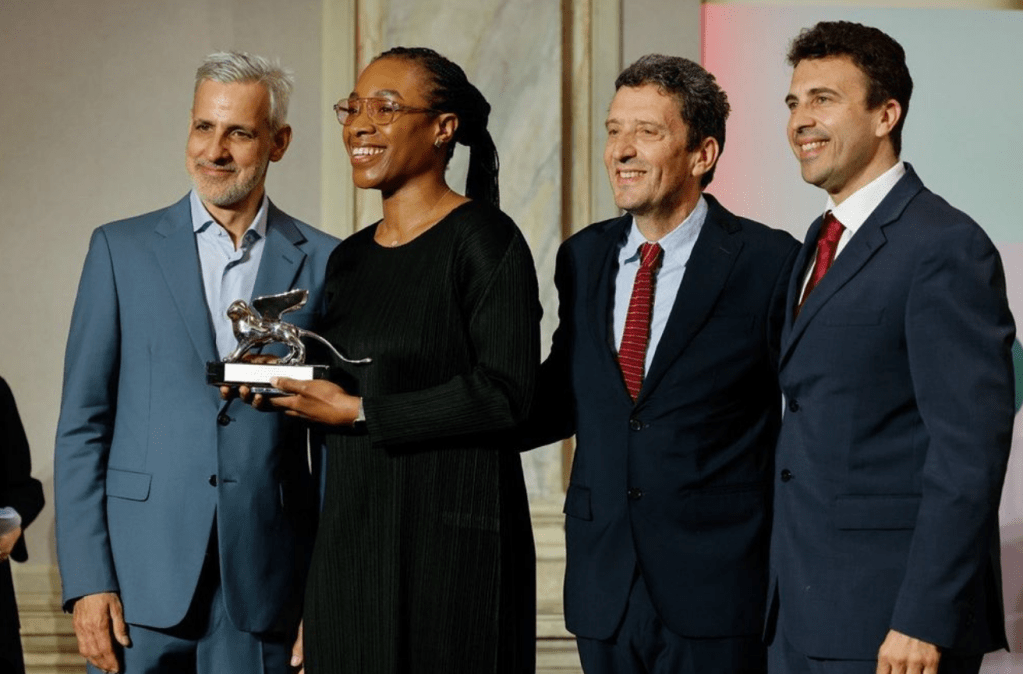
Traditionally, the Venice Biennale awards two Golden Lions — one for the best national pavilion and one for the best artist in the central exhibition — along with the Silver Lion and a Lifetime Achievement award, recognized as some of the highest honors in contemporary art and it is usually announced before the public opening.
In 2026, however, the fate of the Golden Lion was sealed before the Biennale even opened. The jury announced it would exclude countries whose leaders faced charges at the International Criminal Court — namely Israel and Russia. The Biennale’s organizers refused to accept this. On April 30, the jury collectively resigned.
▍金獅讓位,「 觀眾票選獅 」登場——藝術界的民主實驗還是政治妥協?Enter the “Visitor Lion” — Democratic Experiment or Political Compromise?
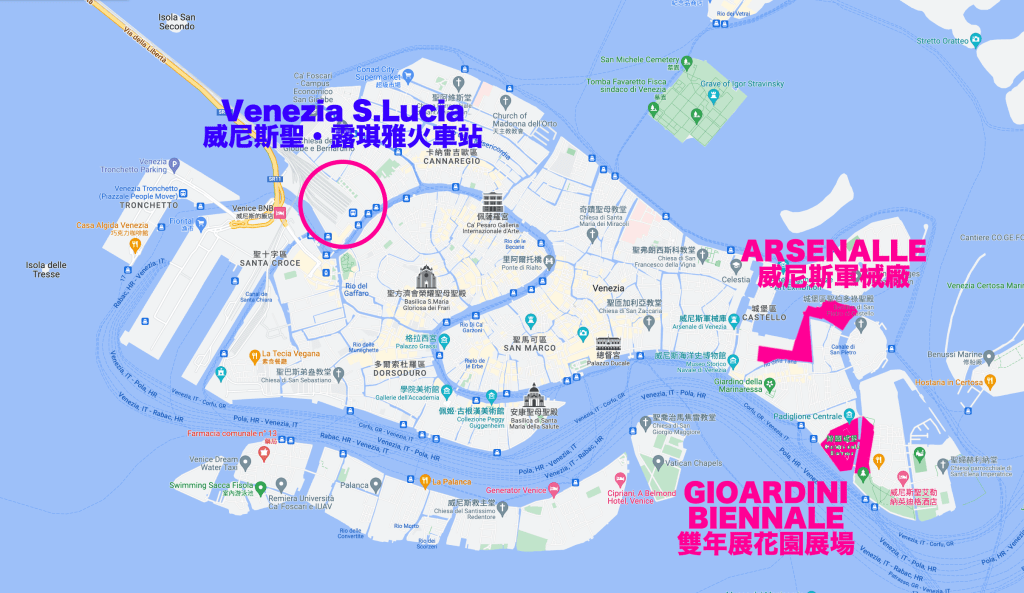
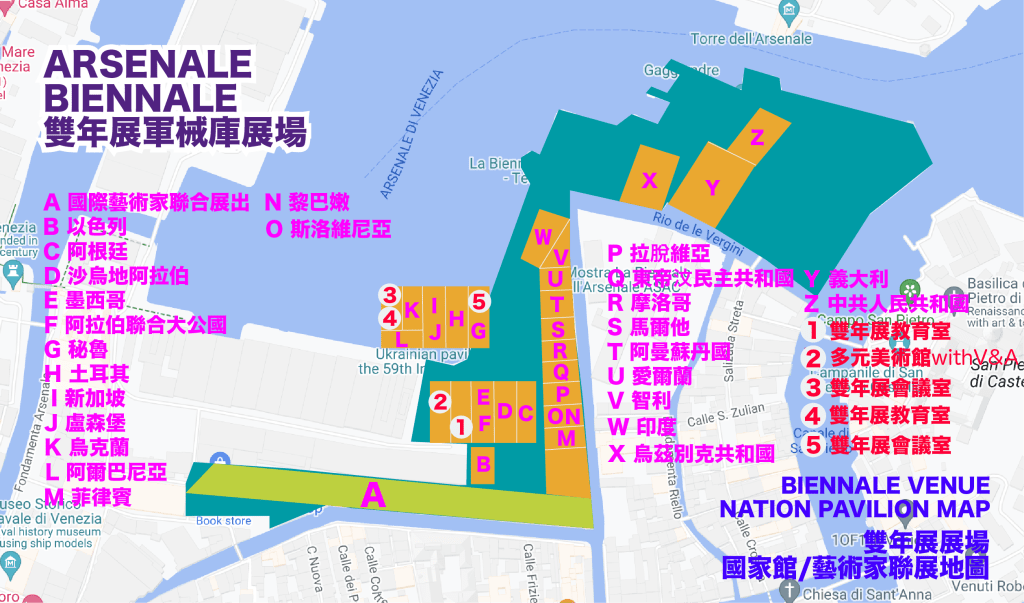
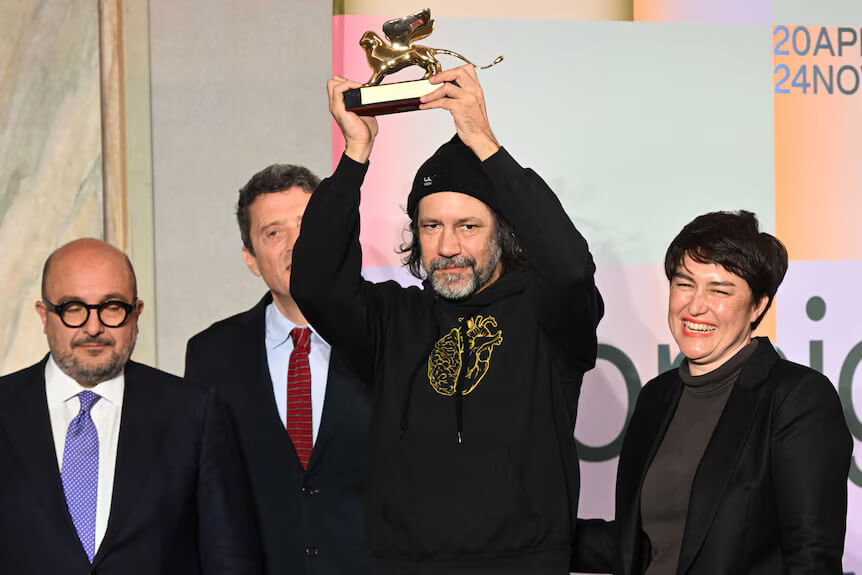
After the jury’s resignation, organizers scrapped the Golden and Silver Lions entirely, replacing them with Visitor Lions— open to any ticket holder who visited both Giardini and Arsenale. Results will be announced at the closing on November 22. Israel and Russia were reinstated as eligible participants.
The backlash was immediate: 81 artists from the central exhibition and representatives from 16 national pavilions withdrew from the competition in solidarity with the resigned jury. As art historian Antonia Majaca wrote on e-flux: “The result: a mass vote in which no one bears responsibility for the outcome.”
Controversy has always been part of art. When an exhibition can simultaneously ignite debates about politics, ethics, aesthetics, and public opinion, it has already accomplished something essential — it has made silence impossible. To walk through the Giardini and the Arsenale today is not only to see works on walls. It is to witness something happening in real time.
台北市中正高中舞蹈班再度受邀挑戰國際舞台,參與2025佛羅倫斯舞蹈藝術節展現臺灣青春優雅魅力 La classe di danza del Liceo Zhong-zheng di Taipei è stata nuovamente invitata a sfidare il palcoscenico internazionale, partecipando al Florence Dance Festival 2025 per mostrare l’eleganza e la giovinezza di Taiwan.
撰文者/photo credit:Gogo.W
臺北市立中正高中舞蹈班連續受邀,挑戰國際舞台,今年再度亮相義大利佛羅倫斯舞蹈藝術節(Florence Dance Festival, FDF),以動人肢體語彙綻放臺灣學生的青春光芒與優美身段,受歐洲觀眾熱烈掌聲肯定。 La classe di danza del Liceo Municipale Zhongzheng di Taipei è stata invitata ancora una volta a sfidare il palcoscenico internazionale, partecipando quest’anno al Florence Dance Festival (FDF) in Italia, esprimendo con gesti vibranti e raffinati tutta la luce e la bellezza della gioventù taiwanese, ottenendo calorosi consensi dal pubblico europeo.
成立超過35年的佛羅倫斯舞蹈藝術節,是義大利最具盛名且歷史悠久的現代舞盛事。由創始人與前國際知名舞者 Keith Ferrone與Marga Nativo 共同創辦,主要演出場域選在佛羅倫斯地標之一的「 Basilica di Santa Maria Novella新聖母大殿」進行。該藝術節融合古典與當代舞蹈,致力打破藝術與大眾之間的隔閡,推動多元舞蹈表現與國際間深度交流。 Fondato oltre 35 anni fa, il Florence Dance Festival è uno degli eventi di danza moderna più prestigiosi e longevi d’Italia. Creato dai curatori e rinomati ballerini signore Keith Ferrone e signora Marga Nativo, lo spettacolo si svolge nella storica Basilica di Santa Maria Novella, uno dei simboli di Firenze. Il festival coniuga danza classica e contemporanea, con l’obiettivo di abbattere il muro tra arte e pubblico, promuovendo espressioni artistiche diversificate e un intenso scambio internazionale.
中正高中作為臺灣少數設有正式舞蹈班的中學,近年來在校長江惠真帶領下,積極推動校園藝術國際化,鼓勵學生勇敢走向世界舞台。此次師生一行不僅參與FDF的舞蹈演出,也深入參加大師班與舞蹈交流工作坊,透過浸潤式的訓練與學習,跨越年齡與文化,將內心情感巧妙轉譯為動人肢體語言。 Il Liceo Zhongzheng, una delle poche scuole superiori di Taiwan dotate di un corso formalizzato di danza, negli ultimi anni si è impegnato a internazionalizzare l’arte scolastica sotto la guida della preside Jiang Huizhen, che incoraggia gli studenti a confrontarsi con il mondo. In quest’occasione, insegnanti e studenti non solo hanno preso parte alle esibizioni e ai laboratori del FDF, ma hanno vissuto un’esperienza immersiva di formazione, superando le barriere generazionali e culturali, traducendo emozioni interiori in potenti linguaggi corporei.
2025年夏季,適逢江校長任期即將結束,帶領舞蹈班同學出訪歐洲,同時也帶領美術班學生赴佛羅倫斯美術學院進行跨領域學習與文化交流。江校長表示:「我們的學生是臺灣的代表隊,這趟旅程是搭建中西文化交流橋樑的珍貴窗口。」 Nell’estate 2025, con il termine del mandato della preside Jiang, lei ha guidato la delegazione non solo degli studenti di danza ma anche quelli del corso di arti visive verso l’Accademia di Belle Arti di Firenze per uno scambio culturale interdisciplinare. La preside ha dichiarato: «I nostri ragazzi sono la squadra rappresentativa di Taiwan, e questo viaggio è un prezioso ponte per lo scambio tra culture orientali e occidentali.»
舞者劉育榕分享,芭蕾大師班由國際著名舞者Marga Nativo親授,「老師除了強調動作細節與精準度,更注重我們如何表達情感以及感受音樂所帶來的動作張力。」現代舞課程則由當代編舞家Angelo Egarese指導,引領學生探索肢體的多樣質感與律動,激發個人獨特舞蹈語言,並與國際舞團共創舞作,迸發創新火花。 La studentessa Liu Yurong ha condiviso la sua esperienza: «Durante la lezione di balletto tenuta dalla celebre Marga Nativo, l’insegnante non si concentra solo sui dettagli e la precisione dei movimenti, ma anche su come esprimere emozioni e sentire la tensione del movimento in sintonia con la musica.» Nel corso contemporaneo, diretto dal coreografo Angelo Egarese, gli studenti hanno esplorato diverse qualità del movimento, sviluppando un proprio linguaggio artistico e collaborando con compagnie internazionali per creare nuove coreografie, accendendo scintille di creatività.
“親人在遠方,我們彼此思念牽掛,但知曉各自安好”
Al sorgere dell’alba, arrotola le tende ghiacciate. Scalda le mani e si prova il trucco nello stile del fiore di prugno. Prova malinconia perché il suo amante non è più lì. Si disegna le sopracciglia lunghe, come catene montuose.
《遠山 Montagne lontane》
當晚,中正高中舞蹈班同學以《遠山》這齣舞作壓軸演出由韋紫翎編舞,遠山含笑、春水綠映的寫意情境,透過舞者們好似自然山形的身段動作與舞蹈語彙表現出 “親人在遠方,我們彼此思念牽掛,但知曉各自安好”的文學意境。 Quella sera, gli studenti della classe di danza del Liceo Zhong-zheng hanno chiuso lo spettacolo con la coreografia 《Montagne Lontane》, creata dalla coreografa Wei Ziling. L’atmosfera pittorica, con montagne che sorridono e acque primaverili verdeggianti, viene resa attraverso movimenti e posture dei danzatori che ricordano la sagoma naturale delle montagne. L’opera esprime il sentimento letterario di “avere cari lontani, sentirsi vicini nel pensiero e nell’affetto, pur sapendo che ognuno sta bene nel proprio luogo.”
photo credit: Gogo.W
李佳育同學分享,「我們運用舞蹈動作與飄扇來表達對彼此的思念,穿著一套綠色系的衣服來表達青山綠水。」整體服裝的設計傳達出一種「靜謐而生動」的動態美,藉由絲織材質的選擇帶出湖面波光般輕盈飄逸的律動感,配合飄扇靈動的特質,猶如思念之意隨風吹過遠山樹梢,從視覺與聽覺中時刻傳達含蓄內斂的思念情意。 La studentessa Li Jiayu ha condiviso: “ Abbiamo utilizzato movimenti di danza e ventagli leggeri per esprimere il nostro affetto e la nostalgia reciproca, indossando abiti nei toni del verde per rappresentare le montagne verdi e le acque cristalline.” Il design complessivo dei costumi trasmette una bellezza dinamica, «tranquilla ma vivace». La scelta di tessuti di seta evoca la leggerezza e la fluidità delle increspature sulla superficie del lago. Insieme alla delicatezza e al movimento dei ventagli, si crea l’effetto di un sentimento di nostalgia che si diffonde dolcemente come il vento che accarezza le cime degli alberi lontani, comunicando con discrezione e profondità questa emozione sia visivamente che nell’atmosfera sonora.
事隔三年與佛羅倫斯的情誼,是對該校舞蹈教育及學生努力最好的肯定。藝術是一種跨越語言與文化的力量,期盼透過舞蹈與藝術,將臺灣青年的活力和創意帶到國際舞台,與世界分享屬於臺灣學子的故事。 Il viaggio a Firenze di quest’anno è il frutto di un rapporto profondo e duraturo tra il Liceo Zhong-zheng e il panorama internazionale della danza, nonché un riconoscimento del duro lavoro e della qualità dell’insegnamento della scuola. L’arte supera tutte le barriere linguistiche e culturali: il Liceo Zhong-zheng aspira a portare l’energia e la creatività dei giovani taiwanesi sul palcoscenico mondiale, condividendo con il mondo le emozionanti storie degli studenti di Taiwan.
La squadra del Liceo Zhong-zheng con i fondatori del Florence Dance Festival e lo staff. photo credit: Gogo.W
⟢ Bouns 額外免費日(國定假日)⟣:除了每月第一週日之外,接下來 4月25日(解放日 Festa della Liberazione) 6月2日(共和國日 Festa della Repubblica )、11月4日(國慶日 Festa dell’Unità d’Italia e Giornata delle Forze Armate)每個年度這三個國定假日也會提供免費入場(視個別場館政策而定)~。
此外,還有兩個值得注意的【 特別活動 】:
⟢ 文化遺產週(Settimana dei Beni Culturali):每年春季或秋季不定期舉辦,部分場館可能提供免費或優惠入場。 ⟢ 歐洲博物館之夜(Notte dei Musei):每年 5 月由歐洲各國同步舉辦的文化活動,義大利國立博物館與文化場館在這一天特別延長開放至深夜,並以 1 歐元象徵性門票或免費入場,搭配導覽、表演等特別活動。
布雷拉美術館 Pinacoteca di Brera 是義大利最重要的古代和現代美術館之一,位於米蘭的 Palazzo di Brera 內的二樓,一樓為米蘭布雷拉美術學院Accademia di Belle d’Arte。美術館由拿破崙於 1809 年創立,展出 13 世紀至 20 世紀的傑作,包括拉斐爾、卡拉瓦喬、曼特尼亞和海耶茲的作品
Museo del Cenacolo Vinciano 位於米蘭的 Santa Maria delle Grazie 修道院內,專門展示達芬奇於 1494 年至 1498 年間創作的經典壁畫《最後的晚餐》以及 Donato Montorfano 的受難圖。⚠️ 特別注意:需要提前一個月~兩週瘋狂刷票!
巴傑羅美術館Museo Nazionale del Bargello 又名巴傑羅宮、人民宮,曾經用作軍營和監獄,是義大利最重要的雕塑博物館之一。館內收藏有米開朗基羅的不少作品,例如《巴卡斯》、《聖母和聖嬰》。還有多那太羅(Donatello)的大衛像和聖喬治像,詹波隆那(Giambologna)的《L’Architettura和Mercurio》等。
萬神殿,又譯萬神殿、潘提翁神殿,是一座古羅馬時期的宗教建築,後改建為教堂。公元609年,東羅馬帝國皇帝將萬神殿獻給教宗波尼法爵四世,後者將它更名為聖母與諸殉道者教堂(Santa Maria ad Martyres),這也是今天萬神殿的正式名稱。由於其完美的古典幾何比例,萬神殿被米開朗基羅譽為「天使的設計」。
國立伊特魯斯坎博物館 Museo Nazionale Etrusco di Villa Giulia 位於羅馬的維拉朱利亞,專門展示伊特魯斯坎和法利斯坎文明的文物。博物館收藏了許多重要的藝術品,包括著名的《新婚夫婦石棺》(Sarcofago degli Sposi)和皮爾基金字塔金板,這些都是前羅馬義大利最古老的銘文之一。
拿坡里國立考古博物館 Museo Archeologico Nazionale di Napoli 是世界上最重要和最獨特的考古博物館之一,收藏豐富,包括法爾內塞收藏的雕塑、維蘇威火山附近(特別是龐貝、赫庫蘭尼姆和斯塔比亞)的發現以及埃及收藏。博物館每年吸引數十萬遊客,展出約18,000件文物,包括壁畫、伊西斯神廟、馬賽克、日常生活用品、龐貝模型、法爾內塞收藏的雕塑和寶石、秘密室藏品、錢幣、銘文以及其他考古收藏。
那不勒斯王宮 Palazzo Reale di Napoli 位於歷史悠久的普雷比西托廣場,最初於1600年為西班牙國王菲利普三世建造,後來成為重要的王室居所。宮殿內部擁有華麗的皇家公寓、博物館和國家圖書館,並展示了大量的藝術品和歷史文物。該宮殿於1919年轉變為博物館,並經過多次修復,最近的修復工程於2019年完成。
聖埃爾莫城堡Castello Sant’Elmo 位於那不勒斯的沃梅羅山頂,擁有俯瞰那不勒斯灣的絕佳景觀。城堡於2010年改建為二十世紀博物館Museo del Novecento a Napoli,展示了1910年至1980年間那不勒斯藝術界的重要作品,包括從十九世紀風景畫傳統到未來主義、1930年代的「回歸秩序」以及二十世紀後半葉的多種藝術體驗。
杜卡・迪・馬爾蒂納陶瓷博物館 Museo della Ceramica Duca di Martina in Villa Floridiana 成立於1931年,博物館內展示了超過六千件來自12世紀至19世紀的西方和東方陶瓷藝術品。館內主要收藏由杜卡・迪・馬爾蒂納 Placido de Sangro 於19世紀後半期建立,並於1911年捐贈給那不勒斯市。
杜林國家電影博物館 Museo Nazionale del Cinema Torino 位於著名的摩爾安東內利亞(Mole Antonelliana)內,是世界上最重要的電影博物館之一。博物館自2000年對外開放,博物館內展示了超過180萬件與電影相關的物品,包括影片、照片、器材和海報,並以互動方式呈現電影的歷史和技術演變,是杜林一個重要的地標。
蒙特烏達波羅馬考古遺址 Area archeologica della città romana di Industria 位於杜林大都會區的蒙特烏達波鎮,是一處重要的羅馬時期考古遺址。這裡曾是一座繁榮的商業城市和金屬加工中心,其獨特之處在於保存有供奉伊西斯女神和塞拉比斯神的神廟。考古遺址包括神聖區域、祭壇、祭司住房等建築,以及周圍的住宅和工坊。
女王別墅 Villa della Regina 是薩沃伊家族的夏季別墅,建於17世紀,並於1997年被列入聯合國教科文組織世界遺產名錄。該別墅擁有壯觀的義式花園和葡萄園,展示了當時的貴族生活方式,並提供了壯麗的城市景觀。
以上主要以義大利幾個重要城市的推薦美術館、博物館的介紹,義大利文化部所推動的活動「星期天的博物館」(Domenica al Museo)活動旨在促進公眾對文化遺產的認識和欣賞,並鼓勵民眾(遊客)積極參觀國家博物館、考古公園和文化遺址。透過每月的第一個星期日免費入場的策略,讓活動吸引更多的遊客和當地居民參與文化活動,培養對歷史和藝術的熱愛。這項計畫自2014年啟動以來,旨在提高意大利豐富的文化資源的可及性,並促進文化教育和交流。
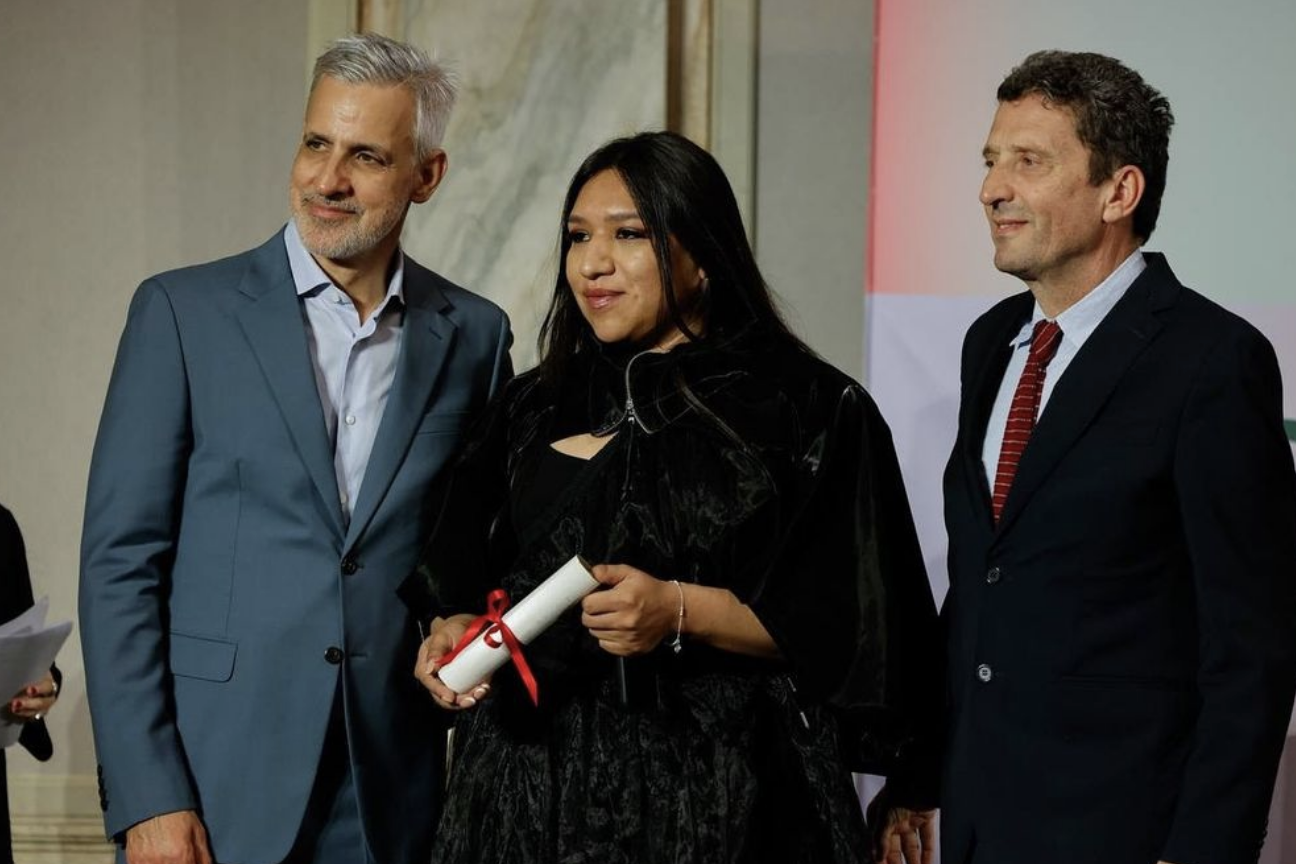
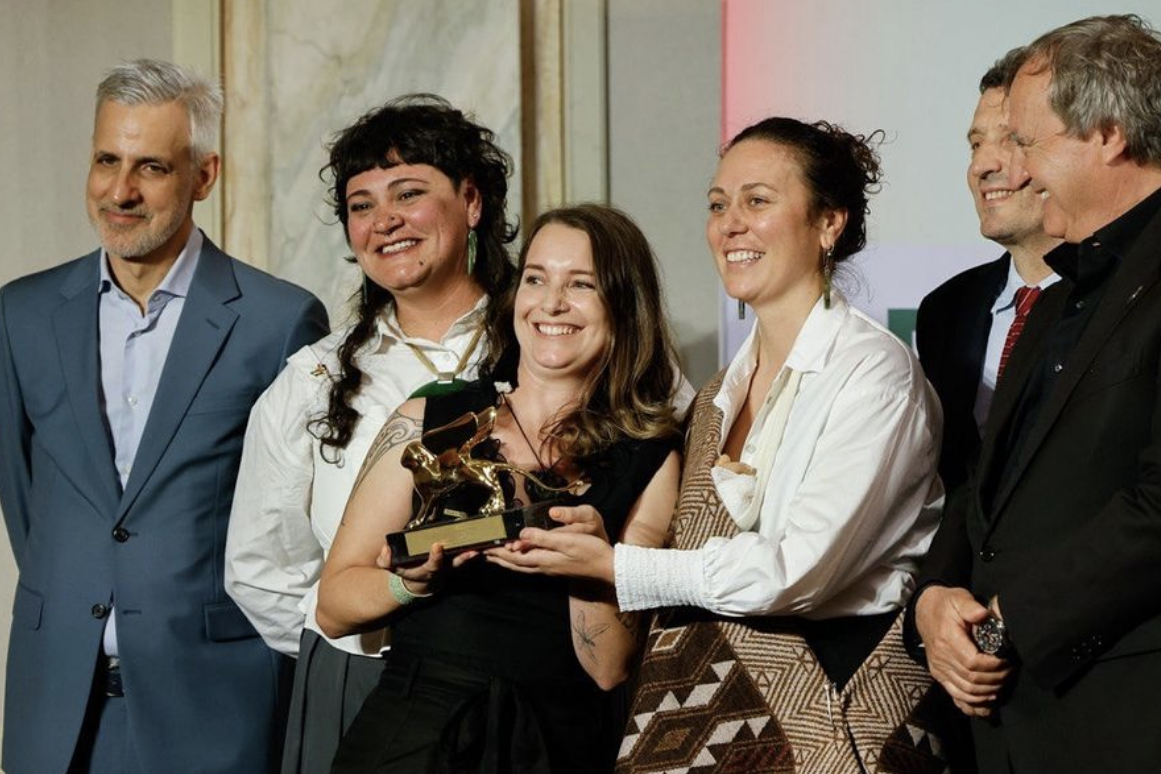
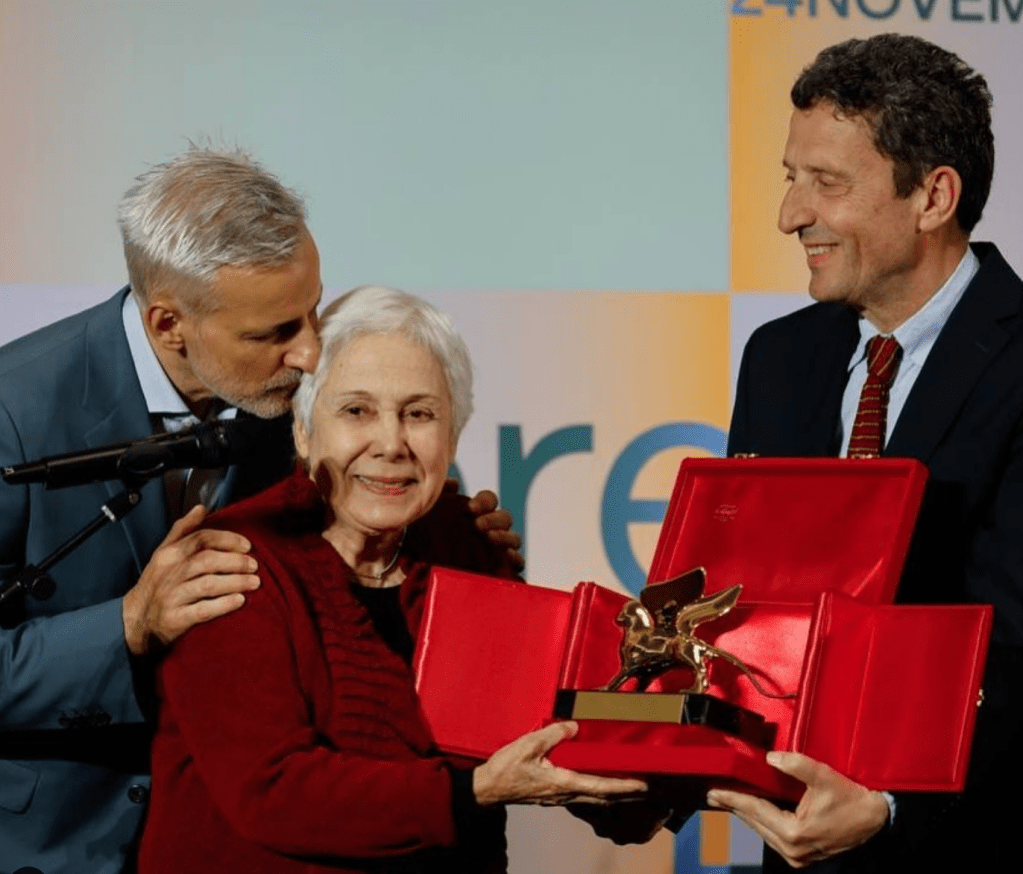
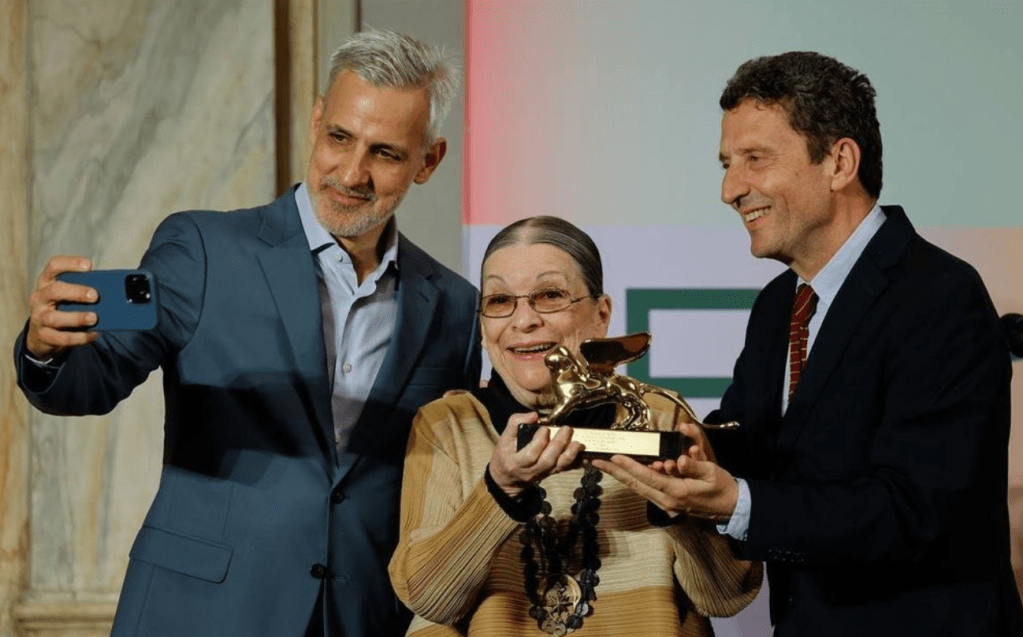
每年雙年展的頒獎典禮更是每位藝術人最關注的盛事,獎項從金獅獎 Golden Lion(最佳國家館/最佳藝術家獎)、銀獅獎 Silver Lion(最有前途的年輕創作者)、特別國家評審獎 Special Mention of National、特別評審獎 Special Mention 以及終身成就金獅獎 Lifetime Achievement。
Can “Socially Engaged Art” effectively bridge the gap between “art/society” and “NFT/crypto art”?
撰文者/photo credit:Gogo.W
近年來,以社會參與(Social Engagement)為核心的藝術實踐計畫,越來越常在世界各地發現它們的蹤跡,藝術創作者們以多樣化的身份跨界投入,作為探討「社會議題」與研究「當代藝術變遷」的媒介,進一步誘發公眾的「價值思維」讓大家思考藝術計畫的動機與目的,認同並主動成為「社會參與藝術」(Socially-Engaged Art)的一份子,讓非藝術的社會行為變成創作的一種形式。 In recent years, art practices centered on Social Engagement have become more and more commonplace around the world. Art creators have crossed borders in a variety of capacities to explore “social issues” and study “contemporary art changes,” further inducing the public’s “value mindset” to think about the motivation and purpose of art projects and to recognize and take the initiative to become a part of Socially Engaged Art so that non-artistic social behaviors can be turned into forms of creativity.
線上與線下「參與者」間的共通性 Commonalities between online and offline ‘participants’
社會參與藝術的兩大核心概念:「社區/社群」(Community)與「公眾/公共」(Public)。其中一部份以去除藝術家身份為主體的概念,強調以存在于相同空間、分享著相似的信念與觀點的特質,匯集這樣一群人在一起成為「藝術參與者」,共同為某一個具體的目標投入時間與心力為達成預想內的成果。 There are two core concepts of participatory art: “Community” and “Public”. One of these concepts is based on the removal of the artist’s identity, emphasizing the qualities of existing in the same space, sharing similar beliefs and perspectives, and bringing together a group of people to become “art participants”, who jointly invest their time and effort in a specific goal to achieve a desired result.
在這樣的背景之下,可以直接聯想到區塊鏈所倡議的「社群共識」(community consensus),系統性建立了關於參與者的交易軌跡,當符合多數人的共識後,才得以延續物件的交易紀錄。其中加密貨幣(cryptocurrencies)去中心化的金融架構與不可逆的交易原理,完美的被應用於NFT(Non-Fungible Token)與數位藝術(Digital Art)的串連之中,從而衍生出新的藝術資產定義—加密藝術(Crypto Art)。系統架構運作的必然要素即為社群的力量,開發機能完善的資料庫機制,如果沒有人的使用就無法構成有效積極的交易體系。 Against this background, we can directly think of the “community consensus” advocated by blockchain, which systematically establishes the transaction trajectory of the participants, and only when it meets the consensus of the majority of the people can the transaction records of the objects be continued. The decentralized financial structure of cryptocurrencies and the principle of irreversible transactions are perfectly applied to the connection between NFT (Non-Fungible Token) and Digital Art, thus giving rise to a new definition of art assets – Crypto Art. The inevitable element of the system structure is the power of the community, and the development of a well-functioning database mechanism will not be able to constitute an effective and active trading system without the use of people.
「社會參與藝術」和「加密藝術」, 兩個同樣都是建立於「公眾認同」理念的線上/線下社群, 看似八竿子打不著的藝術導向,卻都凝聚著公眾的力量, 逐漸形成一種特殊的關係美學。 “Socially-Engaged Art” and “Crypto Art” are two online/offline communities that are also based on the concept of “public recognition”. Seemingly unrelated to each other in terms of artistic direction, they both unite the power of the public and gradually form a special aesthetic relationship.
LVGA/XY ASTRO FLOWERS
LVGA/XY ASTRO FLOWERS 是義大利/瑞士混血的視覺藝術家—尤里・卡塔尼亞(Yuri Catania)與其團隊構思的一項社會參與式的藝術計畫,2023年8月30日起,歷時13個工作天,投入超過150位藝術專業工作者以及自發性參與者(其中包含市民、學生以及民間組織志工等組成),在瑞士盧加諾(Lugano, Switzerland)國會宮(會展中心)的外牆上執行的大型裝置作品。 LVGA/XY ASTRO FLOWERS is a socially engaged art project conceived by Italian/Swiss visual artist Yuri Catania and his team. Starting from August 30th, 2023, lasted over thirteen days, more than 150 art professionals and spontaneous participants (including citizens, students, and volunteers of civic organizations, etc.) were involved in the execution of a large-scale installation on the facades Palazzo dei Congressi (Exhibition Center) in Lugano, Switzerland.
“Art will save the world” slogan with artist Yuri Catania, photo credit: Gogo.W
計畫標語—「Art Will Save The World藝術將拯救世界」作品靈感來自瑞士第一位登上太空的飛行員-克勞德・尼科里埃爾(Claude Nicollier)的宇宙觀,採用「Paste-Up黏貼」的街頭藝術技法,融合藝術家的美學思維與其過往的創作元素,藝術家結合主體對象「太空人」以及夜間拍攝的物件「植物花卉」構成畫面的3個架構。 The slogan of the project – “Art Will Save The World” is inspired by the cosmic vision of Claude Nicollier, the first Swiss astronaut in space. Adopting the street art technique of “Paste-Up”, it combines the aesthetics of the artist with elements of his past creations. The main subject “astronauts” and the objects “plants and flowers” photographed at night, which are making up the three structures of the picture.
以當週於會展中心舉行的NFT節為背景,藝術家深入探討當代的關鍵議題:Web3.0、區塊鏈、加密貨幣/藝術與元宇宙之間的交互作用,質疑自然與科技之間的關聯。太空人金色面罩觀望著恰尼公園(Parco Ciani),反射出作品與地景間的連結,符合3D視覺的空間編排,與多達1,500個紙花朵結合,呈現寬42公尺*高8公尺的大型裝置作品。 Against the backdrop of the NFT Festival held at the Palazzo dei Congressi that week, the artist delves into key contemporary issues: Web 3.0, blockchain, cryptocurrencies/interaction between art and metaverse, and questioning the relationship between nature and technology. The astronaut’s golden mask looks out over the Parco Ciani, reflecting the connection between the work and the landscape, conforming to the spatial arrangement of 3D vision, and combining with more than 1,500 paper-made flowers to create a large-scale installation 42 meters wide * 8 meters high.
實踐社會參與藝術,成為其中一份子 Become a part of socially-engaged arts practice
筆者因為參與了盧加諾NFT節活動得以與這項藝術計畫串起連結,早在活動開始前,太空人早已乘著群花遍佈展會中心的外牆,從遠處觀看難以分辨是何種媒材與技法,強烈的黑白與彩色構成的3D視覺效果勾起我想要深入了解的好奇心,連續三天在會場外觀察藝術家與志願們分工合作的身影,偶爾藝術家也會停下動作與路過圍觀的民眾,親切地解釋計畫的動機並分享使用媒材的特性與原因,試圖拉近藝術與公眾的距離。 As a result of my participation in the NFT Festival in Lugano, I was able to connect with this art project. Even before the event started, astronauts were already riding on the flowers on the outer wall of the exhibition center, and it was hard to tell what kind of media and technique they were using from afar, but the strong black and white and colorful 3D visual effect aroused my curiosity to learn more about the project. For three consecutive days, I observed the artists and volunteers working together outside the venue. Occasionally, the artists would stop to explain the motivation of the project and share the characteristics and reasons for the use of the media with the passing onlookers, in an attempt to bring art and the public closer together.
作品完成前夕,筆者積極正向的態度成功讓藝術家留下深刻印象,並受邀請在最後一天實際參與計畫,過程當中與藝術家妻子Silvia Torricelli,同時為計畫背後除藝術家外最主要的執行者,以及數位志願者們交談,深切地感受到每個人單純支持藝術行動的心。即使是簡單的「剪貼行為」使用單純的媒材「紙張」與「膠水」也能夠將想像具體化,後期透過縮時攝影的拍攝,將13天的時間濃縮成60秒的畫面,藉由AI的技術未來將製成NFT贈送給所有參與計畫的人,藝術除了在這個宇宙時空留下足跡,更是在元宇宙中劃下一部分區塊。 On the eve of the completion of the artwork, the author’s positive attitude successfully impressed the artist and invited her to participate in the project on the last day. During the process, I talked with the artist’s wife, Silvia Torricelli, as well as the main implementers of the project besides the artist, and digital volunteers, and deeply felt everyone’s heart to support the art action. Even the simple act of “cutting and pasting” with the use of simple media “paper” and “glue” can materialize the imagination, and in the later stage, through time-lapse photography, the 13 days were condensed into a 60-second image, which will be made into NFTs to be given to all the participants in the future through AI technology, so that the art will not only leave its footprints in the universe and space-time but will also delineate a part of the meta-universe.