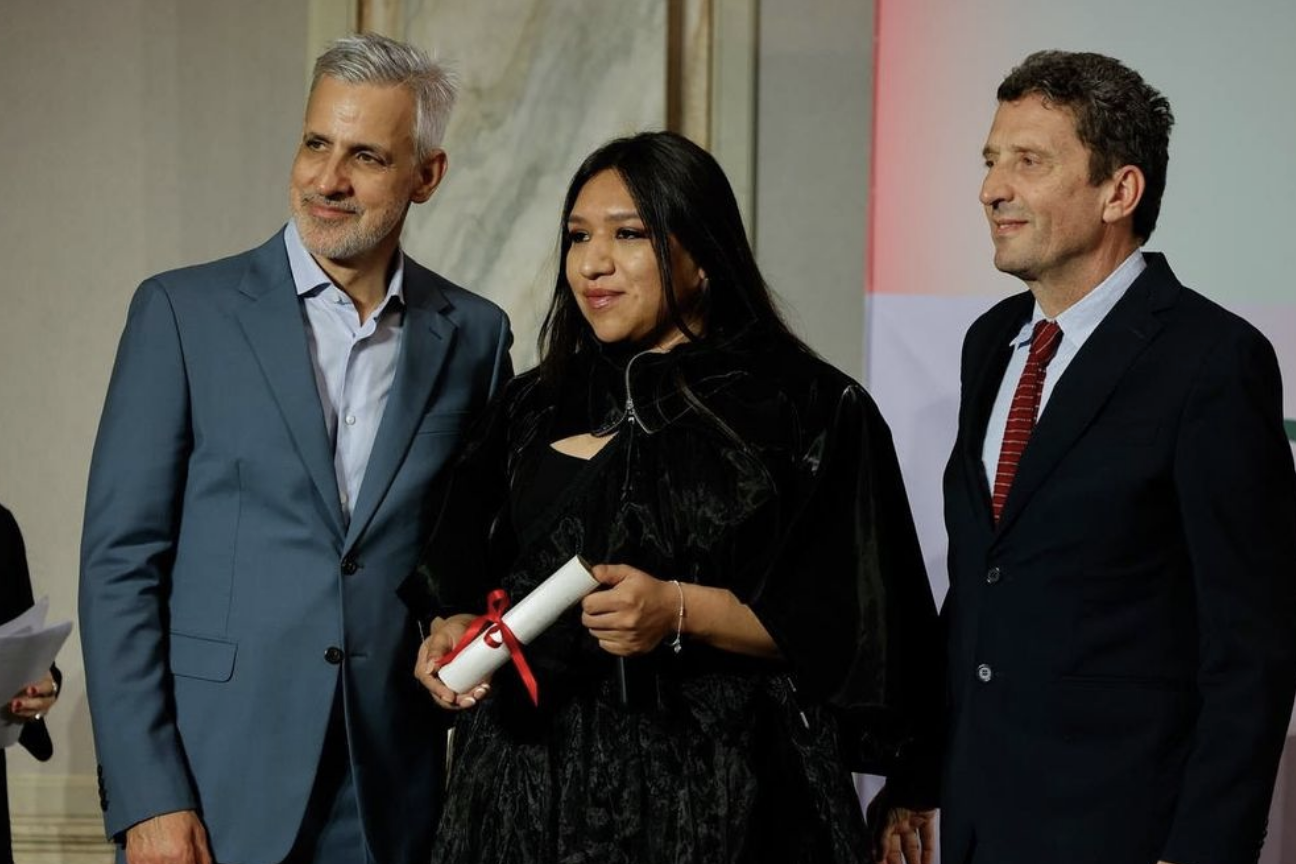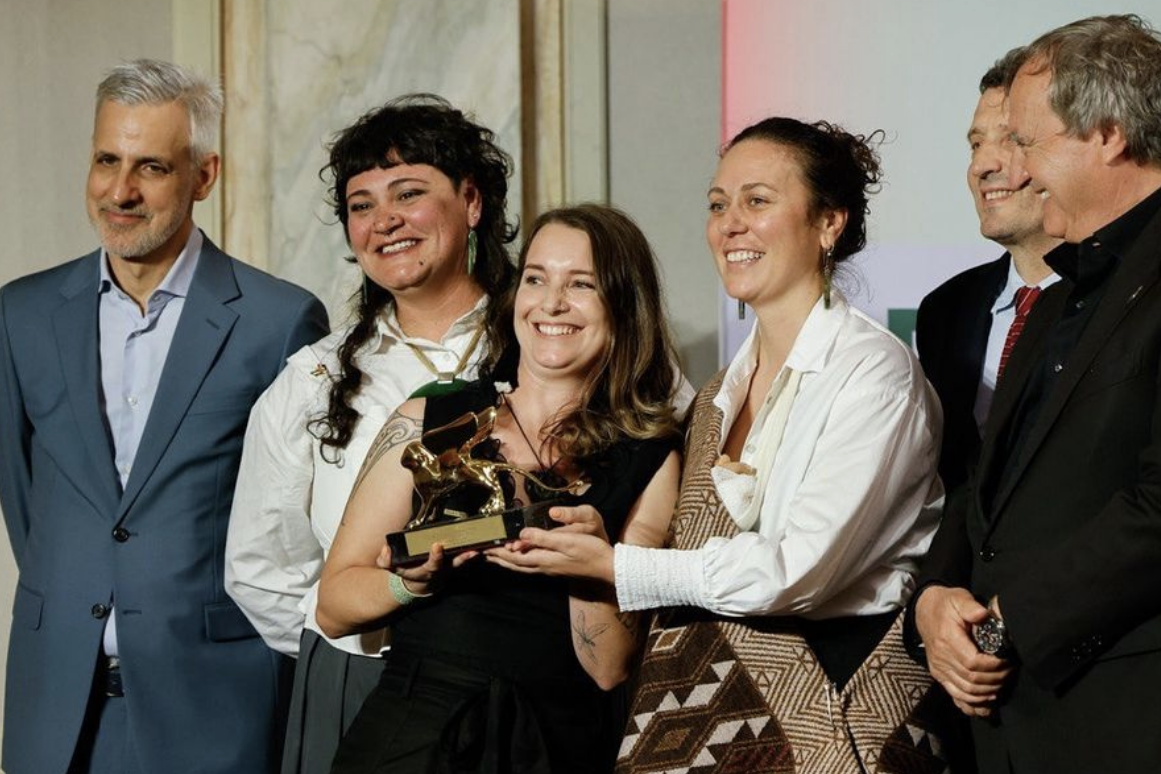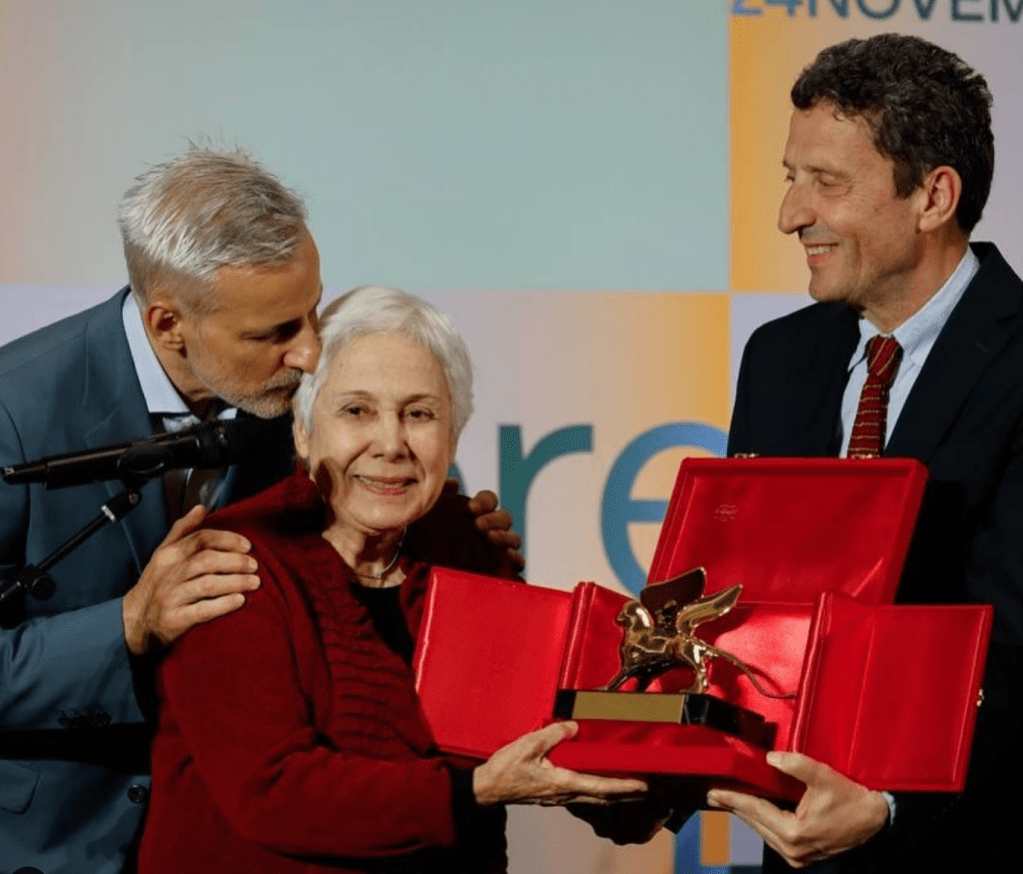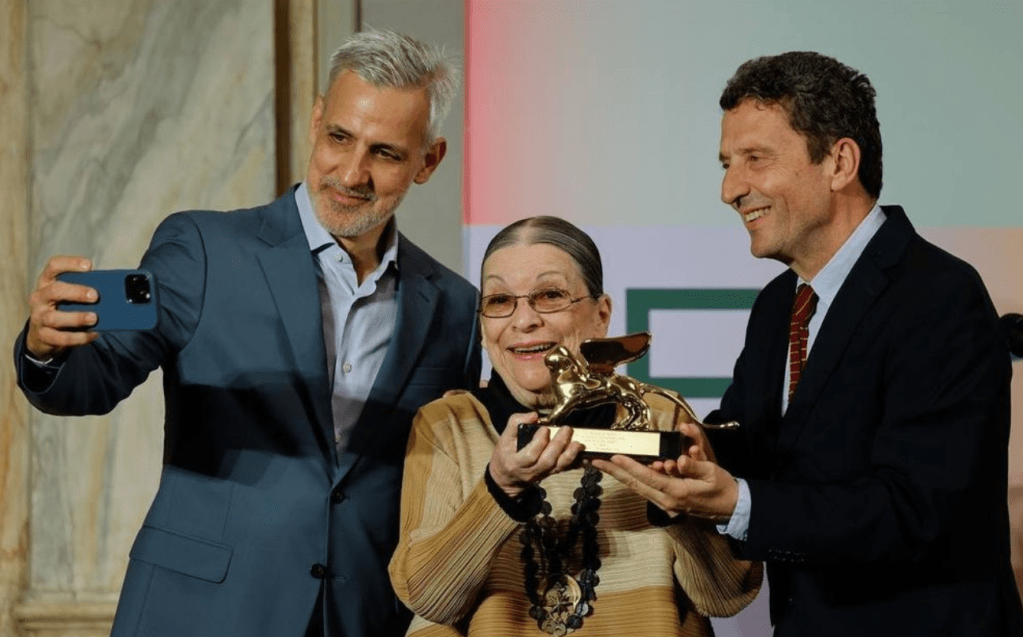
第 61 屆威尼斯藝術雙年展還剩下四個月的展期,強烈推薦藝文愛好者們不要錯過2026年的藝術雙年展,尤其是「台灣館」~ 這邊主編就告訴你必看原因是什麼!
With four months still left in the 61st Venice Art Biennale, I would strongly recommend that art and culture lovers not miss to the 2026 Biennale and the Taiwan Pavilion, especially the Taiwan Pavilion, which offers many compelling reasons to visit.
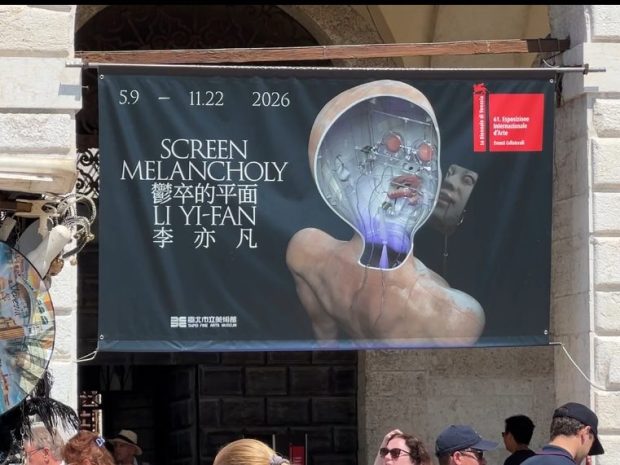
今年台灣館,依舊是由臺北市立美術館(TFAM)策劃,近10年皆以單一藝術家個展形式展出,本次則由年輕藝術家李亦凡代表,展覽名稱為「鬱卒的平面 Screen Melancholy:李亦凡」。對於台灣館場地不陌生的大家,再一次跟各位介紹這一棟坐落於嘆息橋旁,在17世紀曾作為威尼斯共和國監獄的普里奇歐尼宮邸(Palazzo delle Prigioni)又稱之為「普宮」中,探究現代人螢幕焦慮的起承轉合。
This year’s Taiwan Pavilion is once again curated by the Taipei Fine Arts Museum (TFAM). Over the past decade, it has consistently taken the form of a solo exhibition by a single artist. This edition features the young artist Li Yi-Fan, under the title Screen Melancholy: Li Yi-Fan. For those already familiar with the Taiwan Pavilion’s venue, let us once again introduce Palazzo delle Prigioni, the building beside the Bridge of Sighs that once served as a prison of the Venetian Republic in the 17th century. Within this historically charged space, the exhibition traces the unfolding of modern screen anxiety from beginning to end.
巴西策展人哈法艾爾・馮薩卡(Raphael Fonseca)與李亦凡,同樣是在網路時代中成長的 X 世代創作者,因此對於「影像如何中介人類對世界的感知」有著高度一致的關注。座談中,他以「百科全書」形容李亦凡的影像創作,指出科技的持續演進,某種程度上迫使現代人不斷適應與進化,而在這個過程中,焦慮與挫敗也隨之滲入日常,進一步揭示「鬱卒/憂鬱」這類感官經驗,如何與數位世界表面上的極度冷靜彼此牽連。也因此,這場展覽不只是一次媒體藝術的技術展示,更像是一場帶有方法論自覺的深層提問。
Brazilian curator Raphael Fonseca and Li Yi-Fan are both Generation X who grew up alongside the internet era, and they share a strong concern with the question of how images mediate human perception of the world. In the conversation, Fonseca described Li’s video work as an “encyclopedia,” pointing out that the relentless advance of technology has, in a sense, compelled modern people to keep adapting and evolving. In that process, anxiety and frustration inevitably seep into everyday life, further revealing how sensory experiences such as “melancholy” are intertwined with the extreme coolness and detachment of the digital world. For this reason, the exhibition is not merely a technical showcase of media art, but rather a deeply self-aware inquiry into method and perception.
一顆眼球回家的故事,與那 60 分鐘的獨白
The Story of an Eye Returning Home, and the 60-Minute Monologue
展覽的核心作品,是李亦凡創作生涯中最長的一件影像作品,一支長達 60 分鐘的 LED 影像裝置。
The centerpiece of the exhibition is the longest moving-image work in Li Yi-Fan’s career: a 60-minute LED installation.
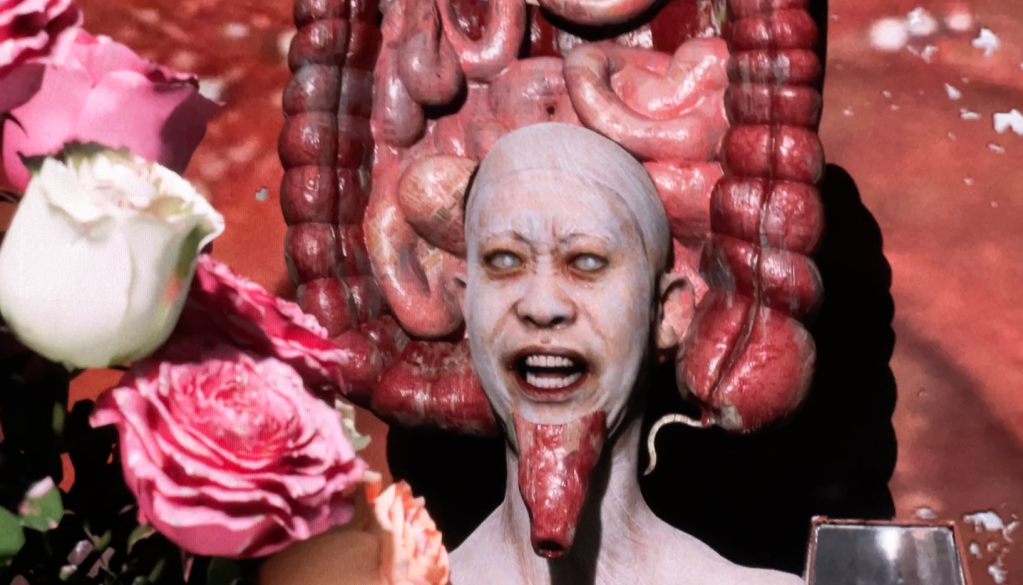
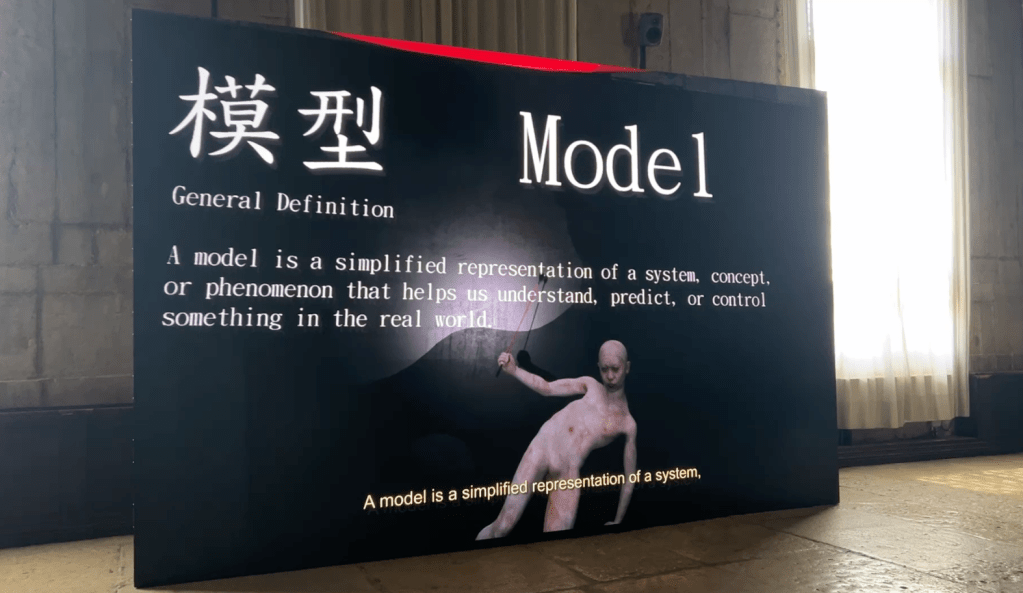
不同於他過往的創作,這次他將這座 17 世紀曾為監獄的展場空間——普里奇歐尼宮邸——直接移植進影像之中,以「一顆眼球回家」作為整個故事的敘事脈絡,用帶有即興獨白的單口喜劇語氣,探討電腦動畫的製成方式、AI 生成影像與人工製作之間的對比,以及「高」「低」文化之間那條從來都不清晰的界線。
Unlike his earlier works, this time he has directly transplanted the exhibition space — Palazzo delle Prigioni, a 17th-century former prison into the image. Using “an eye returning home” as the narrative thread, Li adopts a stand-up-comedy-like monologue, delivered with an improvised spoken rhythm, to explore how computer animation is made, the contrast between AI-generated imagery and handmade production, and the ever-blurred boundary between so-called multiple cultures.
「在這個影像生產很快的年代,大家很習慣五秒短影音,或是 AI 生成十秒影片。我很喜歡的一種觀影狀態是,觀眾是自由的,可以決定自己在展場裡要待多久。」—— 李亦凡
“In this era when images are produced so quickly, people are used to five-second short videos, or AI-generated clips that last ten seconds at most. What I really like is a viewing situation in which the audience is free, and can decide how long they want to stay in the exhibition space.” — Li Yi-Fan
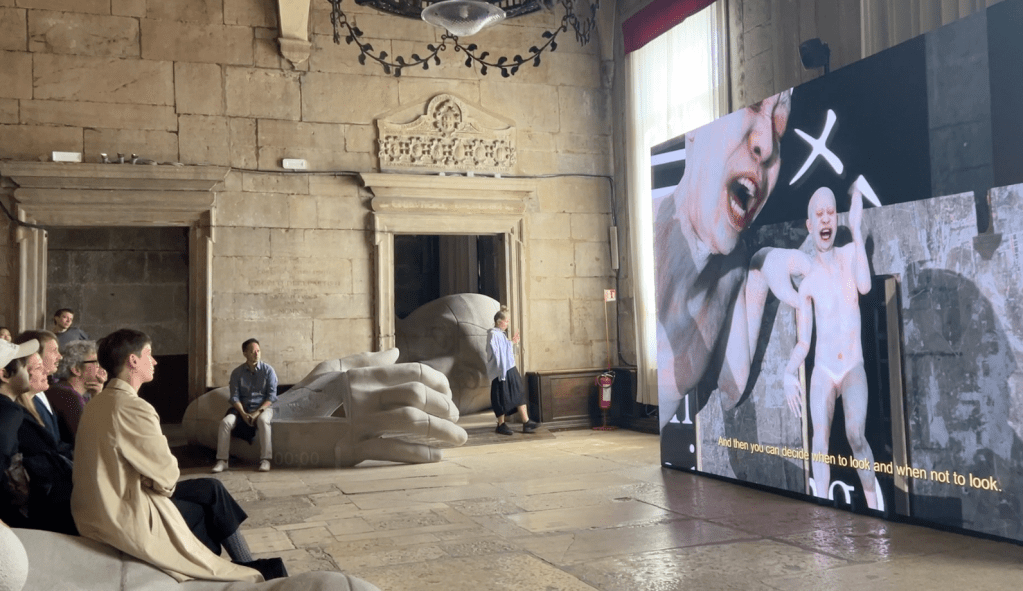
或許有些人初見他的作品會感到有些直白,甚至覺得語言與文化背景會成為外國觀眾的理解門檻。但「李亦凡 Li Yi-Fan」這個名字,早在數年前就已在數位藝術圈廣為人知,許多觀眾是慕名而來,為的就是一探他那套獨樹一幟、無法輕易被歸類的創作方式。
Some audience may find his work somewhat direct at first glance, and may even worry that language and cultural context could become a barrier for foreign audiences. Yet the name Li Yi-Fan has long been well known in the digital art world, and many visitors come specifically to see for themselves his distinctive and hard-to-categorize artistic practice.
隨著影片的場景不斷轉換,觀眾會逐漸意識到一件有趣的事:這個歷史空間,已悄悄化為一座動態舞台。布達佩斯路德維希現代美術館(Ludwig Museum)策展人 Krisztina Szipöcz 在受訪時提到:「這項 LED 燈牆技術真的很棒!它讓作品不必非得在黑暗空間裡呈現,反而可以放在明亮環境中,使我們終於有機會看見『空間本身』:窗戶、宮殿建築。」如此一來,虛實之間的界線在觀眾眼前持續模糊、重疊,而那個「監獄」的歷史記憶,也在不知不覺間滲入了整件作品的底色。
As the film shifts from one scene to another, viewers gradually begin to notice something interesting: the historic space has quietly turned into a kind of moving stage. In our interview, Krisztina Szipőcz, curator at the Ludwig Museum in Budapest, remarked that the LED wall technology is truly remarkable, because it allows the work to be shown without being confined to a darkened room. Instead, it can be presented in a bright environment, giving viewers the chance to actually see the space itself — the windows, the palace architecture, and its surrounding structure. In this way, the boundary between reality and fiction continues to blur and overlap before the audience’s eyes, while the historical memory of the “prison” gradually seeps into the work’s overall atmosphere.
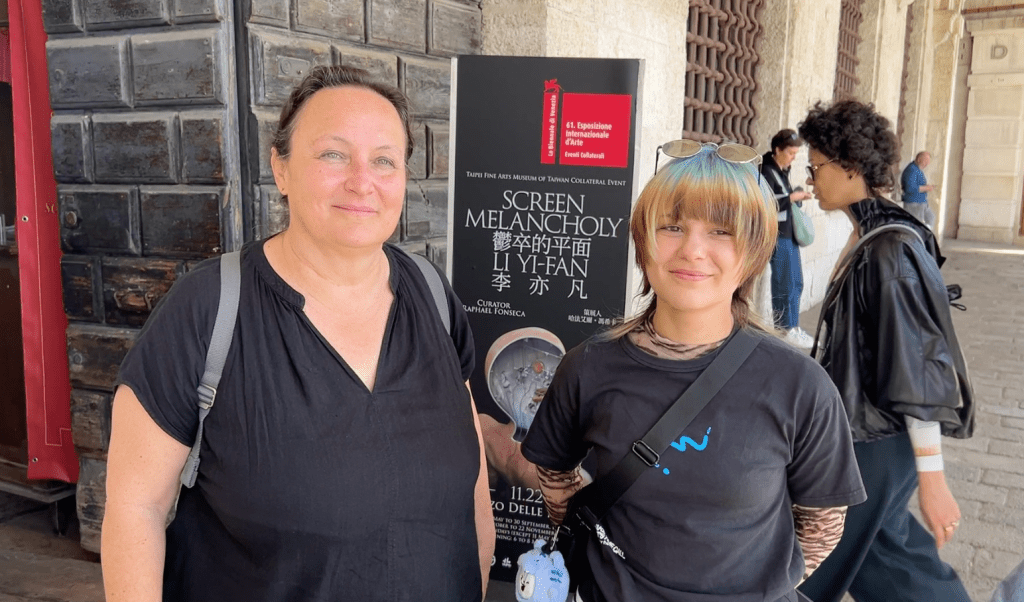
台灣館幕後高難度工程:從台灣分割製作,到威尼斯限時組裝
Taiwan Pavilion Backstage: A High-Difficulty Production
在沈浸感官的展覽背後,這是一段鮮少被提及的幕後考驗。
Behind this immersive exhibition lies a backstage challenge that is rarely mentioned.
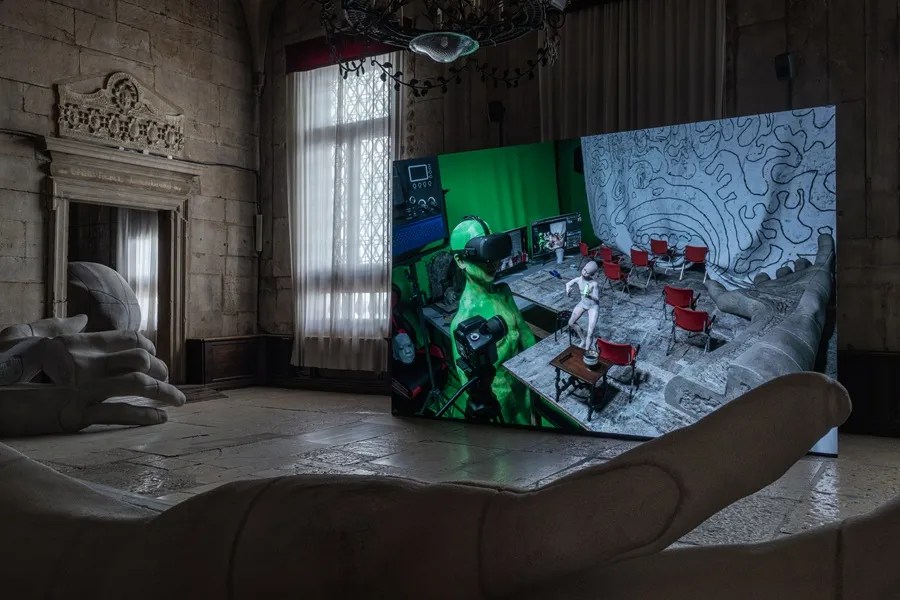
展廳中散落著以 3D 列印製作的大型人體局部雕塑:手、腳、頭,它們既是裝置的一部分,同時也可作為觀眾的座椅,讓肢體在現場與影像的凝視形成一種隱隱的對位關係。然而,從雕塑胚體的物流運送開始,到威尼斯潮濕的海島環境可能造成的物件變形,再加上展場施工條件的種種限制,布展團隊在有限的條件下見招拆招,在連續 8 天的高強度作業下,才將這座巨型「沈浸感官」場域順利組裝於普里奇歐尼宮邸之中。
Scattered throughout the gallery are large 3D-printed sculptural fragments of the human body : hands, feet, and heads. They function both as part of the installation and as seats for visitors, creating a subtle counterpoint between the body in the space and the gaze of the moving image. Yet from the very beginning, starting from shipping the sculptural components, to the risk of deformation caused by Venice’s humid island climate, to the many restrictions imposed by the exhibition venue itself, the installation team had to improvise at every step. Only after eight consecutive days of intensive work was this giant immersive environment finally assembled inside Palazzo delle Prigioni.
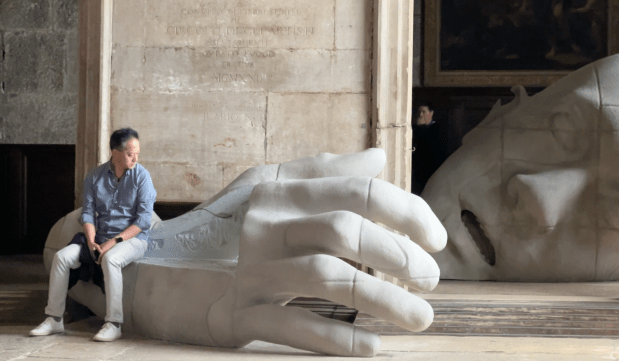
這件作品,是台北市立美術館自 1995 年起於普里奇歐尼宮邸策展以來,首次在同一空間內完整融合影像、雕塑與聲音三種媒介的沉浸式嘗試,也是李亦凡以遊戲引擎為影像生產方法的第三件新創作,更是他職業生涯中至今最具規模的現地特製計畫。
This work also marks several important firsts: since Taipei Fine Arts Museum began curating exhibitions at Palazzo delle Prigioni in 1995, it is the first time that moving image, sculpture, and sound have been fully integrated within the same space in an immersive format. It is also Li Yi-Fan’s third new work created through game-engine-based image production, and the most ambitious site-specific project of his career so far.
關於台灣館的題外話
A Brief Side Note on the Taiwan Pavilion
臺灣館,自 1995 年至今已參加雙年展多年,然而在這個政治現實的縮影場域中,始終不敵中國的強權壓力,最終於 2003 年被剔除正式國家館名單,爾後只得以「平行展」(Collateral Events)名義申請進入威尼斯雙年展會,而今年共有 31 組人馬在威尼斯島上各區展出。
Since 1995, the Taiwan Pavilion has taken part in the Venice Biennale for many years. Yet within this highly political and deeply pragmatic international setting, Taiwan has never been able to escape pressure from China. In 2003, it was ultimately removed from the list of official national pavilions, and since then it has had to apply for participation under the category of “Collateral Events.” This year, there are 31 collateral event projects taking place across Venice Island.
每次想到這件事,認真覺得很可惜,也很不解。臺灣館,不是國家館,這件事,在每屆雙年展的熱鬧背後,值得被更多人知道。
Every time I think about this, I can’t help but feel that it is both unfortunate and difficult to understand. The fact that “the Taiwan Pavilion is not a national pavilion” has long been treated as a reality of the Venice Biennale, yet it is precisely this background that deserves to be known by more people behind the excitement of each edition.
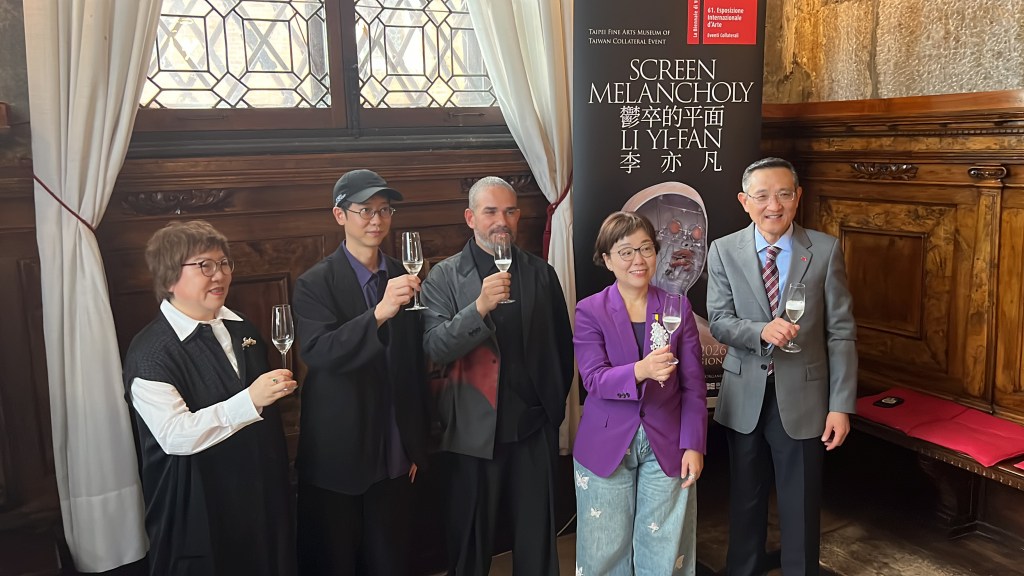
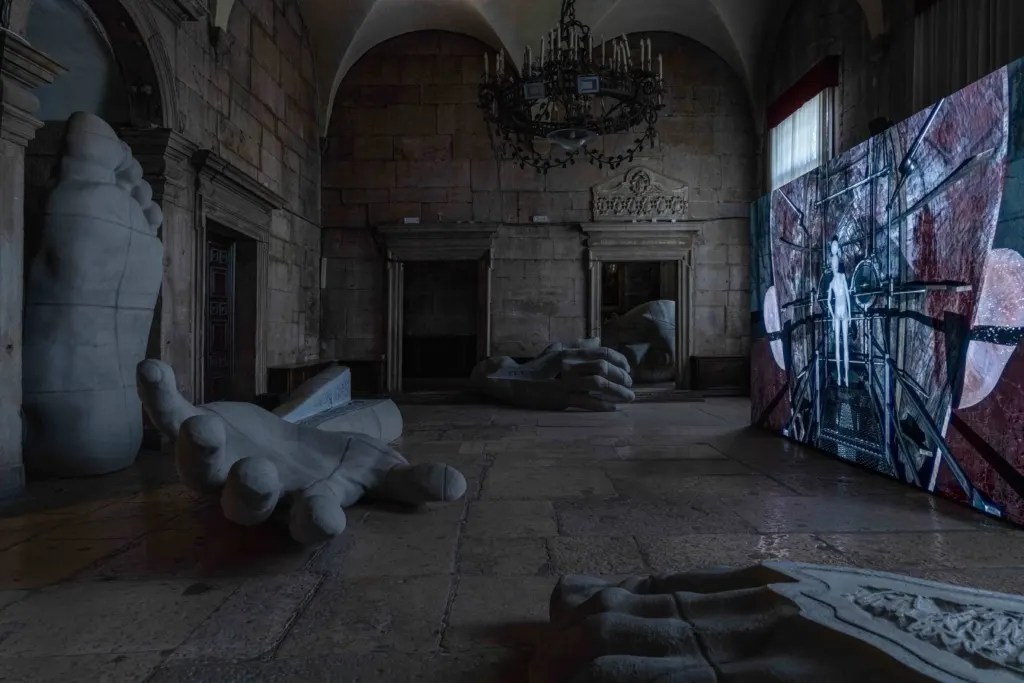
圖像由臺北市立美術館提供。
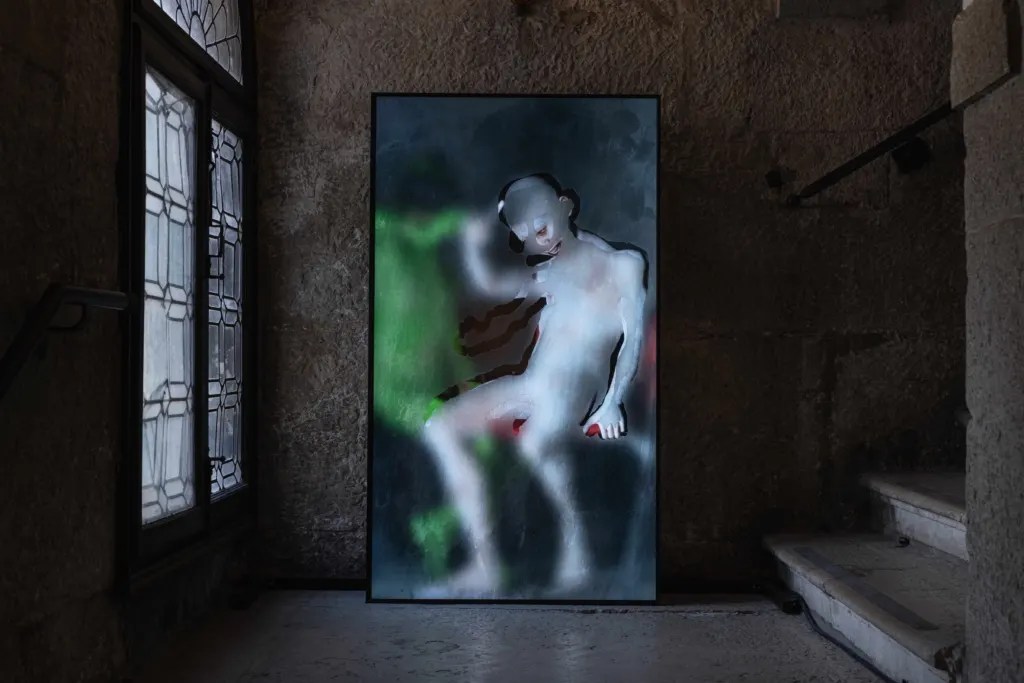
圖像由臺北市立美術館提供。
《 鬱卒的平面:李亦凡 Screen Melancholy Li Yi-Fan 》
展覽地點 Venue:義大利威尼斯普里奇歐尼宮邸 Palazzo delle Prigioni ( Castello 4209, San Marco, Venezia)
開放時間 Exhibition time :
2026 年5月9日至9月30日,每週二至週日上午11時至下午7時
Summer open hour: 09th May 2026 ~ 30th September 2026, Tue.-Sun. 11am til 7pm
2026 年10月1日至11月22日,每週二至週日上午10時至下午6時
Winter open hour: 01st October 2026 ~ 22th November 2026, Tue.-Sun. 11am til 6pm
週一休館 Close on Monday;5月11日、11月16日特別開放 Except 11th May, 16th November
威尼斯主要雙展場路線圖
Venice Biennale TWO main Venues Map
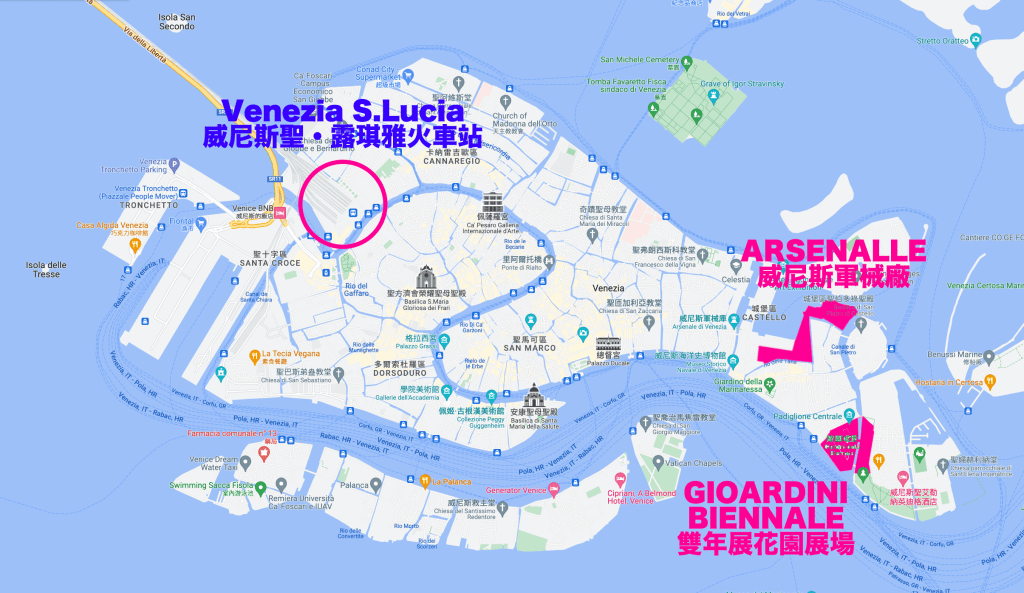
威尼斯雙年展花園展場・國家館地圖
Venice Biennale Gioardini Biennale Nation Pavilion Map
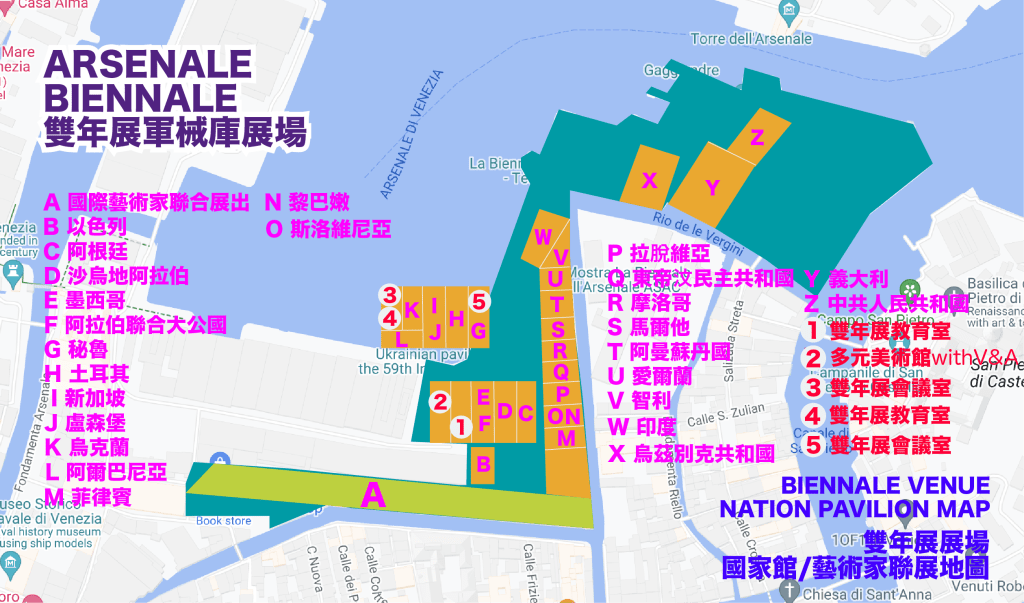
網路上充斥著許多與威尼斯雙年展相關的文字分享,筆者這次與大家分享簡單的地圖檔案,希望同樣適用於下一屆的活動。(如需要借圖使用,請標明出處!有任何錯誤歡迎隨時留言或是來信指教)
延伸閱讀:想了解更多第六十一屆威尼斯雙年展台灣館的相關報導,可以到以下連結延伸閱讀。https://www.taiwaninvenice.org/2026/?ddlLang=zh-tw
Taiwan Pavilion 2026 — Li Yi-Fan
《 Screen Melancholy 》
Palazzo delle Prigioni
61th Venice Biennale